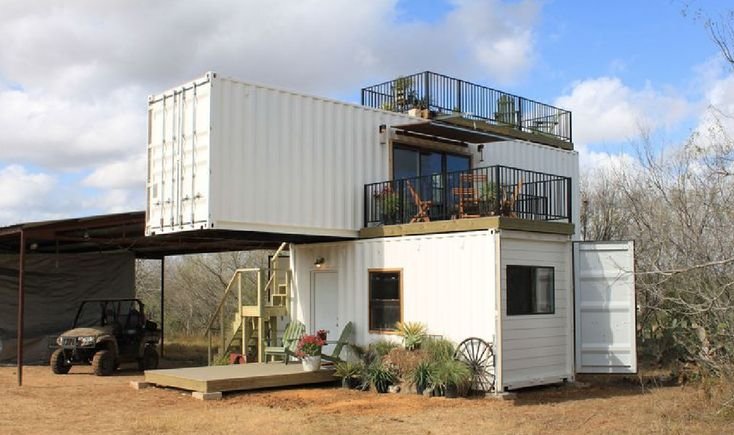
Introduction to Container Homes
Container homes are innovative living spaces constructed from repurposed shipping containers. Originally designed for transporting goods across vast distances, these robust metal structures have emerged as a unique housing solution across the globe. The concept behind converting shipping containers into livable spaces is founded on the principles of sustainability and efficiency, allowing individuals to create homes that are both functional and environmentally friendly. With a growing emphasis on affordable housing, container homes have gained traction as an appealing alternative to traditional building methods.
The rise in popularity of container homes can be attributed to several factors. Firstly, the affordability of shipping containers compared to conventional building materials makes them an attractive choice for potential homeowners. Many people are seeking affordable housing solutions, especially in urban areas, where property prices continue to soar. Container homes offer a viable option to reduce costs without compromising on quality. Additionally, these structures can be customized to meet individual preferences, allowing for a variety of design possibilities.
Another significant benefit associated with container homes is their sustainability. Upcycling shipping containers contributes to reducing waste, thereby promoting an eco-friendly approach to construction. As many people become increasingly conscious of their ecological impact, container living presents an opportunity to minimize the carbon footprint typically associated with new home builds. Furthermore, container homes can be designed to incorporate sustainable energy sources and green technologies, further enhancing their environmental credentials.
Lastly, the unique aesthetic of container homes appeals to a diverse demographic. The modern, industrial look combined with the flexibility of design options allows homeowners to create personalized spaces that stand out. As container homes continue to rise in popularity, it is essential to explore the pros and cons of this alternative housing solution to determine whether they align with one’s lifestyle and values.
Advantages of Living in a Container Home
Container homes offer a plethora of advantages that make them an appealing alternative to traditional housing. One of the most significant benefits is their cost-effectiveness. Constructing a container home typically requires fewer resources than a conventional house, which can translate to lower overall expenses. Depending on the design and location, prospective homeowners may find themselves saving anywhere from 30% to 50% on initial construction costs. This financial efficiency is compelling, especially for first-time buyers or those looking to downsize.
Additionally, container homes provide unparalleled flexibility in design and layout. Modular in nature, these structures can be easily combined, stacked, or modified to suit individual preferences. This adaptability allows for a custom living space that can be tailored to specific needs, whether for small families or larger communal setups. Many homeowners appreciate the opportunity to create unique, personalized environments that reflect their individuality. Moreover, this flexibility extends to the potential for future expansions, ensuring that the living space can grow in tandem with its inhabitants’ changing circumstances.
Another notable advantage of container homes is their environmental impact. Utilizing recycled shipping containers minimizes waste and promotes sustainability, making these homes an eco-friendly choice. The construction process often requires fewer materials and fewer resources, resulting in a reduced carbon footprint. Additionally, homeowners frequently report improvements in quality of life when living in container homes, including reduced maintenance costs and stronger community ties. As these structures often promote a smaller, minimalist lifestyle, many individuals express satisfaction in simplifying their lives and fostering connections with neighbors.
In light of these benefits, container homes present a valuable option for anyone looking to invest in a sustainable, customizable, and cost-effective living solution.
Challenges and Considerations
While container homes present numerous advantages, they also come with a set of challenges and considerations that must be addressed before making a commitment to this lifestyle. One of the most significant issues is insulation and temperature regulation. Shipping containers are constructed from steel, which can lead to extreme temperature fluctuations within the interior space. In colder climates, additional insulation is crucial to maintain warmth during winter months, whereas, in hotter regions, effective ventilation and cooling solutions are necessary to combat excessive heat. Without proper insulation strategies, the comfort and livability of container homes can be severely compromised.
Furthermore, zoning and building regulations pose another hurdle for potential container home owners. Many municipalities have specific codes governing the construction and placement of alternative housing structures. These regulations may restrict where container homes can be situated, or impose additional requirements that may not apply to traditional houses. Consequently, it is vital for prospective buyers to thoroughly research their local regulations and seek the necessary permits before commencing any construction.
In addition to regulatory concerns, the initial costs associated with purchasing and renovating a container home should not be underestimated. While the raw container may appear affordable, outfitting it with amenities such as plumbing, electrical systems, and interior finishes can lead to expenses that rival or exceed those of traditional housing options. The overall budget must account for these factors to ensure a realistic financial plan.
Lastly, while container homes can be durable, misconceptions about their longevity and safety persist. Factors such as rust, structural integrity, and fire risks require careful consideration. Additionally, potential resale challenges may arise if the housing market does not fully embrace this alternative living form. Ultimately, weighing these factors will enable individuals to make informed decisions regarding the reality of container home living.
Making the Decision: Is It Worth It?
When considering the viability of container homes, individuals must weigh both the advantages and disadvantages in relation to their unique circumstances and lifestyle preferences. Container homes present a range of benefits that can make them an appealing choice for some, such as cost-effectiveness, environmental sustainability, and versatility in design. However, it is also crucial to acknowledge the challenges that may arise, including limited space, zoning regulations, and potential difficulties in securing financing.
Before making the decision to invest in a container home, it is advisable to approach the process with careful consideration of personal priorities and financial constraints. Begin by assessing your lifestyle choices. Do you value minimalism and the downsizing approach that a container home facilitates, or do you prefer more traditional and spacious living arrangements? Understanding your needs will help determine whether a container home aligns with your goals.
Next, evaluate your budget carefully. While container homes can often be more affordable than conventional houses, associated costs such as land purchase, permits, and necessary renovations can quickly add up. It is essential to create a comprehensive budget that includes not only initial expenses but also ongoing costs for maintenance and utilities. Researching financing options is also imperative, as not all lenders offer funding for unconventional housing like container homes.
Moreover, consider long-term goals. Will a container home serve your needs for the foreseeable future, or are you envisioning a transition later on? This reflective approach will help crystallize whether investing in a container home is the right choice for you. While container homes can indeed represent a practical solution for some, it is essential to remember that they may not meet everyone’s requirements or lifestyle aspirations.