Recognizing the Symptoms of Liver Disease
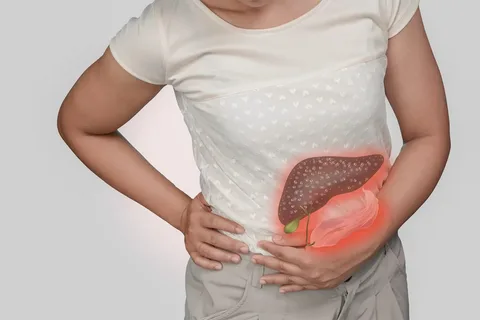
Liver disease encompasses a range of conditions that can severely impact a person’s overall health. Recognizing the symptoms of liver disease early is crucial for effective management and treatment. Common signs include fatigue, weakness, and loss of appetite. Patients may also notice jaundice, characterized by yellowing of the skin and eyes, which indicates an accumulation of bilirubin in the body. This yellow discoloration often serves as a significant warning sign of liver dysfunction.
In addition to these general symptoms, more specific indicators may manifest, such as swelling in the abdomen, known as ascites, or fluid retention in the legs. Changes in urine color can also provide clues regarding liver health; dark urine might suggest bile obstruction or liver inflammation. Furthermore, light-colored stools may also appear as a result of an insufficient bile flow from the liver, raising concerns regarding potential liver conditions.
As liver disease progresses, other symptoms may emerge, including nausea, vomiting, and confusion due to the buildup of toxins in the bloodstream. Those experiencing frequent bruising or bleeding may also be exhibiting signs of decreased liver function, necessitating immediate medical consultation. It is vital for individuals to be aware of these symptoms and understand their significance in relation to various liver diseases, such as hepatitis, cirrhosis, or liver cancer.
Should these symptoms arise, seeking medical advice promptly is essential for diagnosis and management. Healthcare providers will typically conduct blood tests and imaging studies to assess liver function and identify potential abnormalities. Recognizing the symptoms of liver disease and understanding their implications can empower individuals to take proactive steps towards preserving their liver health.
Types of Liver Disease: An Overview
Liver disease encompasses a wide range of conditions that affect liver function and overall health. Among the most common types are hepatitis, cirrhosis, fatty liver disease, and liver cancer, each presenting distinct characteristics and symptoms.
Hepatitis is an inflammation of the liver, often caused by viral infections, autoimmune disorders, or exposure to toxins. There are several forms of hepatitis, including Hepatitis A, B, and C. Symptoms may include jaundice, fatigue, abdominal pain, and dark urine. Chronic hepatitis can lead to more severe complications, emphasizing the necessity for early diagnosis and appropriate management strategies.
Cirrhosis is a later-stage liver disease that results from long-term damage, frequently due to chronic alcohol abuse, viral hepatitis, or non-alcoholic fatty liver disease. In this condition, the liver becomes scarred, which impairs its ability to function. Symptoms might manifest as swelling in the legs, fatigue, and bleeding, indicating a need for careful monitoring and treatment, often encompassing lifestyle changes and medical interventions.
Fatty liver disease, occurring when fat builds up in the liver, can be categorized into alcoholic and non-alcoholic types. This condition is becoming increasingly prevalent and is often asymptomatic in its early stages; however, symptoms can appear as the disease progresses, including abdominal discomfort and jaundice. Management strategies are primarily focused on weight loss, dietary modification, and regular physical activity.
Lastly, liver cancer, often resulting from chronic liver disease or cirrhosis, can present late symptoms, including weight loss, pain, and abdominal swelling. Timely diagnosis is crucial for effective management, typically involving surgery, radiation, or chemotherapy.
These various types of liver disease illustrate the complexities associated with liver health. Understanding the specific type and its associated symptoms is essential for developing targeted management strategies suitable for each unique condition.
Effective Management Strategies for Liver Disease
Managing liver disease involves a multifaceted approach that encompasses dietary modifications, lifestyle changes, and regular medical supervision. Tailoring a diet is fundamental for those diagnosed with liver issues; patients are often advised to adopt a balanced diet rich in fruits, vegetables, whole grains, and lean proteins while limiting saturated fats, sugars, and alcohol consumption. This nutritional strategy helps in reducing the liver’s workload, supporting its function and overall health.
In addition to dietary changes, increasing physical activity is crucial for improving liver health. Regular exercise not only aids in weight management but also enhances metabolic processes, which can be beneficial in conditions such as fatty liver disease. Individuals are encouraged to engage in moderate-intensity aerobic exercises for at least 150 minutes a week, complemented by strength training exercises twice a week. These activities can significantly help improve liver enzyme levels and overall organ function.
Regular medical check-ups play a vital role in the management of liver disease. These appointments provide an opportunity for healthcare providers to monitor liver function, perform necessary tests, and assess if additional interventions are required. They are essential for timely identification of any worsening condition, enabling prompt responses and adjustments in treatment protocols.
Furthermore, certain medications may be prescribed to manage specific liver diseases. These medications can include antivirals for viral hepatitis, corticosteroids for autoimmune liver diseases, and drugs that help reduce liver inflammation. It is essential for patients to discuss potential benefits and side effects of these medications with their healthcare providers to ensure optimal treatment outcomes.
Employing these holistic strategies not only aids in effectively managing liver disease but also enhances the overall quality of life for individuals affected by this condition, empowering them to lead healthier, more fulfilling lives.
Preventive Measures and Maintaining Liver Health
The liver plays a vital role in the body’s overall function, emphasizing the importance of preventive measures to maintain its health and reduce the risk of liver disease. One key strategy is vaccination. Vaccines against hepatitis A and B can significantly lower the risk of these viral infections, which are known to cause serious liver damage. Consulting with a healthcare provider about vaccination status and recommendations is a proactive approach in safeguarding liver health.
In addition to vaccination, limiting alcohol consumption is crucial for liver maintenance. Excessive alcohol intake can lead to fatty liver, alcoholic hepatitis, and ultimately cirrhosis. It is advisable for individuals to adhere to guidelines provided by health organizations regarding moderate drinking, as this can mitigate the risks associated with long-term alcohol use. Furthermore, avoiding medications that are known to be hepatotoxic is essential; always discuss potential side effects of medications with a healthcare professional.
A balanced diet also has a significant impact on liver health. Consuming healthy foods such as fruits, vegetables, whole grains, and lean proteins can help reduce the liver’s workload and improve its function. Foods rich in antioxidants, such as berries and green leafy vegetables, are particularly beneficial. It is equally important to stay hydrated, as water helps the liver in its detoxification processes.
Moreover, maintaining a healthy weight through regular physical activity is vital in preventing non-alcoholic fatty liver disease (NAFLD) and other related conditions. Achieving a balanced lifestyle which includes avoiding excessive sugar and processed foods not only promotes liver health but also enhances overall well-being. Education and awareness regarding liver disease are paramount; being informed about the factors that affect liver health encourages proactive health management and regular check-ups with healthcare professionals.