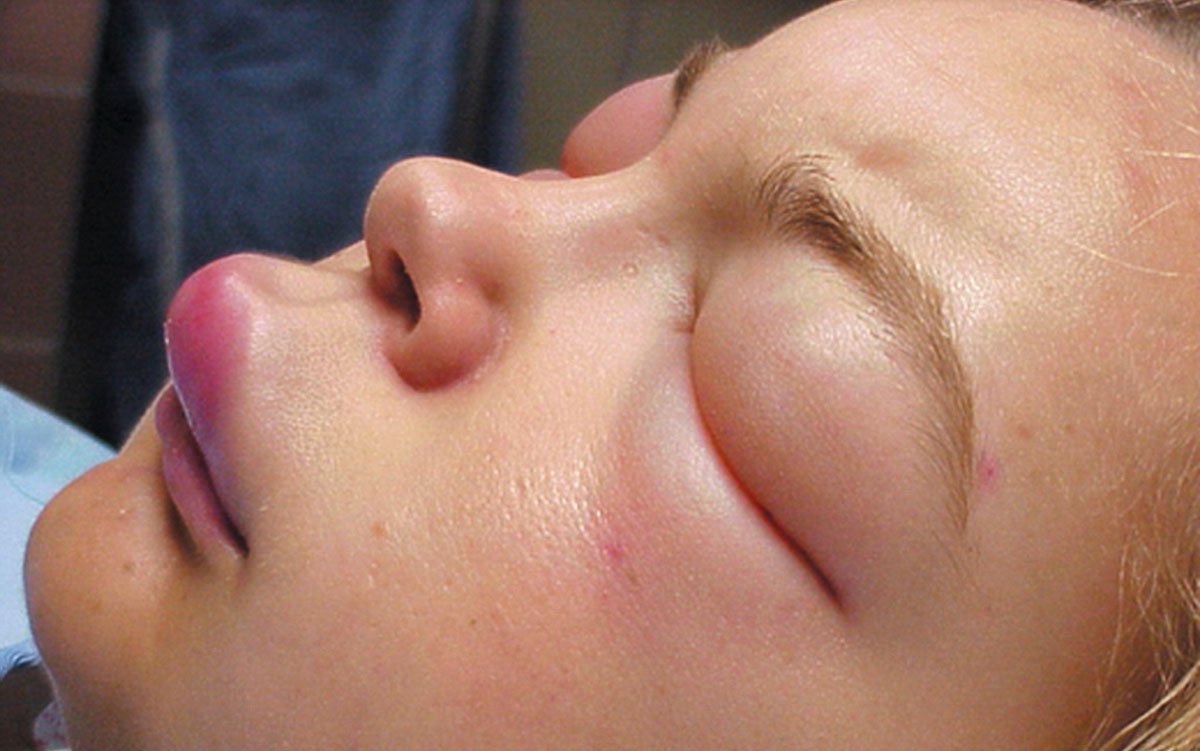
What is Angioedema?
Angioedema is a medical condition characterized by the rapid swelling of the deeper layers of the skin and mucous membranes. The swelling typically occurs in areas such as the face, lips, throat, and hands, and can vary in severity. This condition may arise due to various triggers, and understanding its different types is essential for proper management and treatment.
There are several classifications of angioedema, primarily categorized into allergy-related, hereditary, and idiopathic angioedema. Allergy-related angioedema is triggered by allergens, such as certain foods, medications, or insect stings, leading to histamine release and subsequent swelling. This form often coincides with hives and is usually manageable with antihistamines and avoidance of known allergens.
Hereditary angioedema, on the other hand, is a genetic condition that stems from a deficiency or dysfunction of C1 esterase inhibitor, a protein responsible for controlling inflammation. Individuals with this type experience recurrent episodes of swelling that can occur without any apparent trigger, making it more complex to manage. Preventive medications and on-demand therapies are vital to control symptoms effectively.
Idiopathic angioedema is characterized by swelling without any identified cause, making it challenging to treat. Various factors, including stress, fatigue, or certain medications, may contribute to these episodes. Since the triggers are unknown, treatment often focuses on alleviating symptoms rather than addressing a specific causative factor.
The underlying mechanisms of angioedema generally involve the release of histamine or other mediators, leading to increased vascular permeability. This process results in fluid accumulating in the surrounding tissues, thereby causing visible swelling. Recognizing the type of angioedema and its triggers is fundamental to enabling appropriate management strategies and minimizing the impact of symptoms on individuals’ lives.
Recognizing the Symptoms of Angioedema
Angioedema is a condition characterized by localized swelling that can occur in various parts of the body, particularly the face, lips, tongue, and throat. The symptoms of angioedema can vary significantly in both intensity and onset, making early recognition crucial for effective management. Generally, the most common signs include noticeable swelling in the aforementioned areas, often occurring suddenly. Patients may also experience a sensation of tightness or fullness in the affected regions, particularly in the throat, which can indicate a potential airway obstruction.
In some cases, angioedema may present with less frequent yet serious symptoms such as difficulty breathing, which requires immediate medical attention. The swelling of the tongue or throat can lead to complications that affect air supply, necessitating prompt intervention. Additionally, abdominal pain can occur due to swelling in the intestinal area, which may mimic other gastrointestinal conditions. Differentiating angioedema from these potential mimicking ailments is essential. For instance, hives or urticaria often accompany allergic reactions but primarily affect the skin, while angioedema focuses on deeper tissues.
It is important to note that angioedema can be triggered by various factors including medications, food allergies, or underlying health issues such as hereditary conditions. Recognizing these symptoms quickly is vital for timely treatment, which may vary by individual and investigation of the underlying causes. Seeking medical help during a sudden episode of swelling is paramount, especially if breathing becomes labored or if the symptoms escalate in severity. Understanding these signs empowers individuals to take proactive steps towards managing their health effectively.
Managing Angioedema: Treatment and Home Remedies
Angioedema, characterized by swelling beneath the skin, can be distressing for those affected. Effective management is essential to mitigate symptoms and prevent episodes from occurring. One of the primary approaches involves prescribed medications. Antihistamines, which help reduce swelling and itching, are commonly recommended for patients experiencing allergic reactions. These medications can also be beneficial for managing cases of angioedema triggered by histamine release. Additionally, corticosteroids may be prescribed for their anti-inflammatory properties, particularly in more severe reactions, providing relief by reducing swelling and discomfort.
Beyond pharmaceutical options, it is crucial for individuals to identify and avoid known triggers that can provoke episodes. Common triggers may include certain foods, medications, or environmental factors. Maintaining a diary to track episodes can assist in recognizing patterns and pinpointing specific triggers, thus allowing for better management of the condition. Furthermore, communication with a healthcare provider about any potential triggers can lead to tailored advice and strategies, significantly improving quality of life.
In addition to medical treatments, several home remedies and lifestyle adjustments can play a vital role in managing angioedema. Staying well-hydrated helps support overall health and may reduce the severity of episodes. Applying cool compresses to affected areas can also alleviate swelling and discomfort temporarily. Incorporating anti-inflammatory foods, such as omega-3-rich fish and antioxidant-packed fruits and vegetables, may contribute to reducing inflammation and enhancing overall wellbeing.
Moreover, stress management techniques, including mindfulness and meditation, have shown promise in minimizing stress-related triggers for angioedema. Regular exercise, while being cautious of known triggers, can further improve cardiovascular health and overall resilience. Each individual’s experience with angioedema is unique, necessitating personalized approaches to treatment and management. By integrating medical interventions with home remedies and lifestyle changes, individuals can take proactive steps toward managing their angioedema effectively.
When to Seek Medical Attention
Angioedema can manifest in various forms, from mild swelling to severe reactions that pose a significant threat to an individual’s health. It is crucial for anyone experiencing symptoms of angioedema to understand when to seek medical attention. There are certain scenarios where immediate care is necessary, particularly when swelling occurs in areas critical for respiration.
If you or someone you know is experiencing swelling of the face, lips, tongue, or throat, it is imperative to act quickly, as these symptoms can lead to airway obstruction. Difficulty breathing, wheezing, or a persistent cough that accompanies such swelling indicates an emergency situation and requires prompt medical intervention. Additionally, if swelling is accompanied by symptoms of anaphylaxis, such as hives, rapid heartbeat, dizziness, or a feeling of impending doom, immediate assistance should be sought.
Individuals with a known history of angioedema should work with their healthcare provider to develop an emergency action plan. This plan often includes the use of an epinephrine auto-injector, which can be a lifesaving tool for managing severe allergic reactions or angioedema episodes. It is important to administer this medication as directed and to seek emergency care immediately after, even if symptoms appear to improve. Having an action plan and access to necessary medical devices can significantly increase safety and preparedness against potential angioedema crises.
In summary, recognizing the signs of severe angioedema and knowing when to seek medical attention are integral to managing the condition effectively. By being aware of the serious nature of airway swelling and having the appropriate emergency measures in place, individuals can help protect their health and well-being. Always prioritize seeking medical help when in doubt or faced with alarming symptoms.