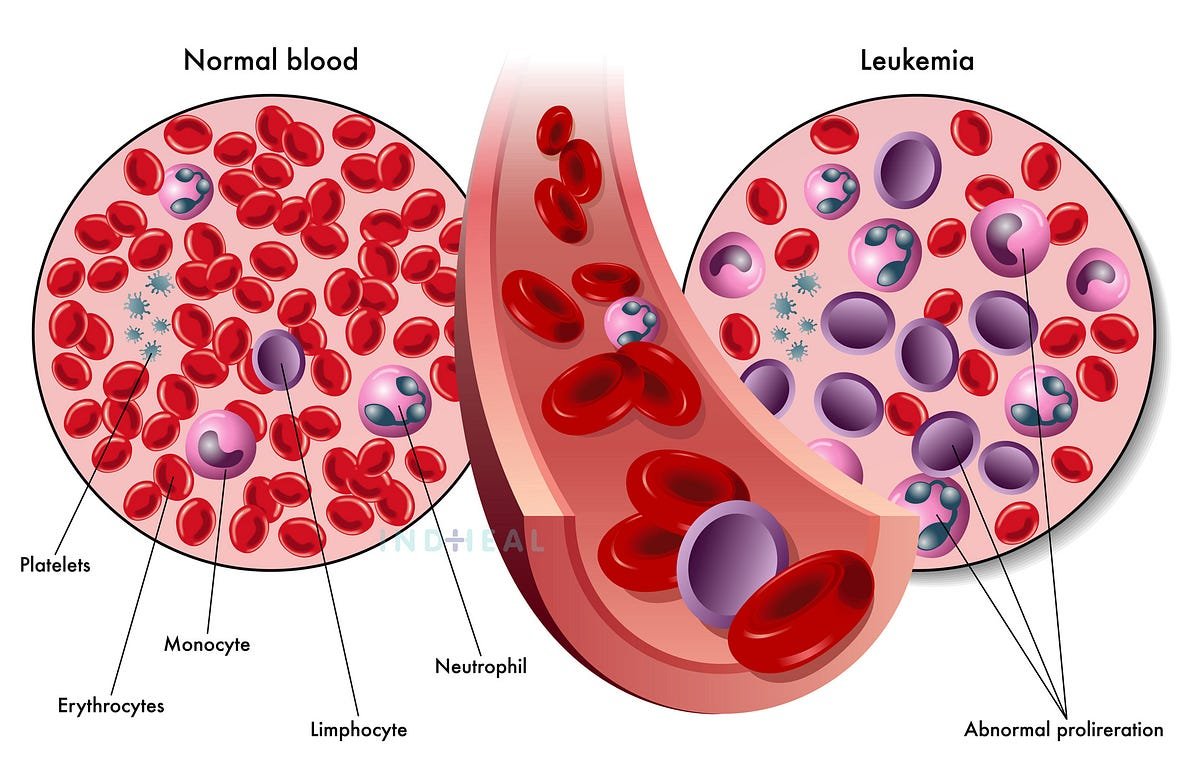
What is Leukemia?
Leukemia is a type of cancer that affects the blood and bone marrow, primarily characterized by the overproduction of abnormal white blood cells. This condition disrupts the normal functioning of the immune system, making it difficult for the body to fight off infections and diseases. There are two primary classifications of leukemia: acute and chronic, each of which can be further categorized into subtypes. Acute leukemia progresses rapidly and requires immediate treatment, while chronic leukemia typically advances more slowly.
Among the acute leukemias, Acute Lymphoblastic Leukemia (ALL) and Acute Myeloid Leukemia (AML) are the most prevalent. ALL primarily affects children, though it can occur in adults, and is marked by an overproduction of lymphoblasts, a type of white blood cell. In contrast, AML is more common in adults and is characterized by the rapid growth of myeloid cells, which can crowd out healthy blood cells in the bone marrow, leading to various health complications.
Chronic leukemias include Chronic Lymphocytic Leukemia (CLL) and Chronic Myeloid Leukemia (CML). CLL is predominantly found in older adults and involves the accumulation of abnormal B lymphocytes, which can interfere with normal immune function. CML, on the other hand, occurs due to a genetic change in the blood-forming cells in the bone marrow, leading to the production of abnormal myeloid cells, and usually progresses through phases: chronic, accelerated, and blast.
Statistics show that leukemia accounts for approximately 3.3% of all new cancer cases, with more than 60,000 new diagnoses annually in the United States alone. Its prevalence varies by age, gender, and other demographic factors, illustrating the importance of understanding this complex condition for effective management and treatment strategies. By recognizing the different types and characteristics of leukemia, individuals can gain insight into its impact on health and well-being.
Common Symptoms of Leukemia
Leukemia, a type of blood cancer, manifests with a variety of symptoms that may differ significantly depending on the specific type of leukemia diagnosed. Common symptoms often include debilitating fatigue, which can be an early indication of the disease. This overwhelming tiredness is not typically alleviated by rest and may affect daily activities, driving individuals to seek medical advice. Coupled with fatigue, many leukemia patients experience frequent infections. This occurs due to the body’s inability to produce healthy white blood cells, which play a vital role in bolstering the immune system against pathogens. As a result, individuals may find themselves falling ill more often than usual.
Another prevalent symptom of leukemia is easy bruising or bleeding. Individuals might notice that minor injuries lead to unexpected bruises or that they bleed more easily, which can be alarming. This occurs due to low platelet counts, a common complication in leukemia patients. Weight loss represents another concerning symptom, as individuals may lose weight rapidly without intentional dieting. This unintended weight loss can cause distress and may prompt further investigation into one’s health status.
Swollen lymph nodes are also notable symptoms, often presenting in the neck, armpits, or groin. They can indicate irregularities in the immune system as leukemia impacts the production of healthy lymphocytes. Recognizing these symptoms early is critical for facilitating timely diagnosis and treatment, which can significantly improve patient outcomes.
Personal anecdotes from leukemia survivors shed light on the importance of being vigilant. Many individuals recount moments when they dismissed persistent fatigue or recurrent infections, only to later discover their underlying condition. Such testimonials underscore the necessity of being aware of these common leukemia symptoms and advocating for early medical evaluation when experiencing them.
Diagnosis of Leukemia
The diagnosis of leukemia involves a multifaceted approach, utilizing various diagnostic methods to ensure accurate identification of the disease. Initially, healthcare providers often perform blood tests as a preliminary step. A complete blood count (CBC) can reveal abnormal levels of white blood cells, red blood cells, and platelets, which may indicate leukemia. Following this, specific tests such as flow cytometry may be conducted to analyze the characteristics of the cells, helping to differentiate between various types of leukemia.
In addition to blood tests, a bone marrow biopsy is frequently performed to confirm the diagnosis. This procedure involves extracting a small sample of bone marrow, typically from the hip bone, to examine the presence of leukemia cells. The results of the bone marrow biopsy are crucial, as they provide detailed insights into the type of leukemia, its stage, and the overall health of the bone marrow environment.
Imaging scans, such as X-rays, CT scans, or MRIs, may also be utilized to determine whether leukemia has spread to other parts of the body, particularly lymph nodes or organs. These imaging techniques are not exclusively diagnostic but are essential in evaluating the extent of the disease and planning suitable treatment strategies.
During the diagnostic process, healthcare providers will explain each step to patients to alleviate concerns. Understanding the significance of each test and the rationale behind them can significantly reduce anxiety related to the procedure. Test results are typically interpreted in a multidisciplinary context, taking into account clinical findings and patient history to arrive at a definitive diagnosis of leukemia. This holistic approach ensures that patients receive not only accurate diagnoses but also timely and effective management of their condition.
Managing Leukemia: Treatment Options and Lifestyle Tips
Managing leukemia effectively requires a comprehensive approach that includes various treatment options tailored to the individual’s needs. Common treatment modalities include chemotherapy, which involves using powerful medications to kill or slow the growth of cancerous cells; radiation therapy, which utilizes high-energy rays to target and destroy cancer tissue; and targeted therapies, which focus on specific characteristics of the cancer cells to halt their proliferation. Additionally, stem cell transplants can be a viable option for certain patients, enabling them to receive healthy blood-forming cells, thereby reestablishing normal blood production.
Complementing these medical interventions are several strategies that can significantly enhance the quality of life for leukemia patients. Nutritional guidance plays a crucial role; a well-balanced diet can help maintain strength and energy levels, and specialized diets may be necessary based on individual health conditions and treatment regimens. Furthermore, participating in support groups can provide emotional relief and foster a sense of community, allowing patients and their families to share experiences and coping strategies.
The psychological well-being of leukemia patients is equally important, and mental health resources should be actively sought. Techniques such as mindfulness, counseling, and stress management practices can help patients cope with the emotional burdens often associated with cancer diagnosis and treatment. Practical lifestyle tips, including establishing a regular exercise routine adjusted to the patient’s condition, prioritizing rest, and maintaining a positive mindset, can further aid in managing the disease.
Lastly, the significance of building a robust support network cannot be overstated. Engaging family members, friends, and healthcare professionals in the care journey fosters a collaborative environment. Regular medical follow-ups and staying informed about the latest research and treatment options empower both patients and caregivers, creating a proactive approach to managing leukemia effectively.