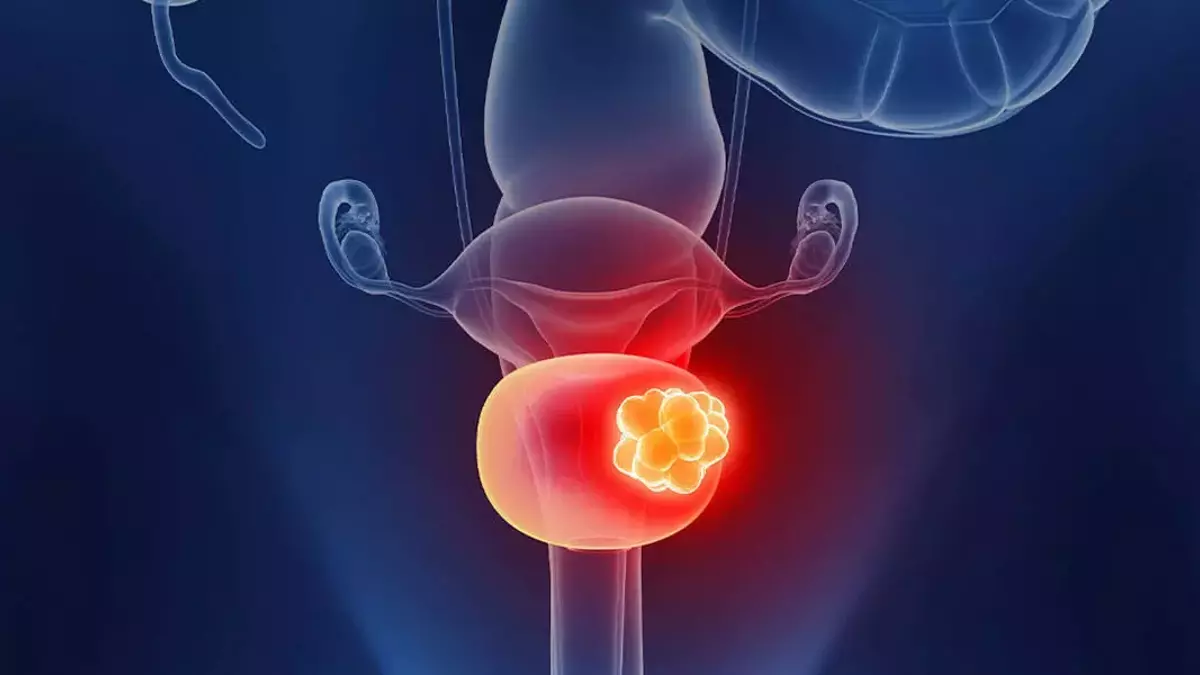
Recognizing the Symptoms of Bladder Cancer
Bladder cancer is a serious health condition that often presents with a range of symptoms, the most notable being hematuria, which refers to the presence of blood in the urine. Hematuria can be gross or microscopic; in gross hematuria, blood can be seen with the naked eye, while microscopic hematuria requires laboratory analysis for detection. This symptom should never be overlooked as it is one of the earliest indicators of bladder cancer.
In addition to hematuria, individuals may experience an increased frequency of urination. This urge to urinate more often than usual can be bothersome and may occur during both day and night. Alongside this, some patients report pain or discomfort during urination, which may also be accompanied by a burning sensation. Pelvic pain is another symptom that may occur, manifesting as discomfort in the lower abdomen or pelvis.
While these symptoms can indicate bladder cancer, they are also associated with less serious conditions such as urinary tract infections, kidney stones, or benign prostatic hyperplasia. This can lead to a delay in diagnosis, particularly if the symptoms are not immediately recognized as warning signs of a potential malignancy. Therefore, it is of utmost importance that individuals consult healthcare professionals promptly when any of these symptoms arise. Early detection is critical in managing bladder cancer effectively, as it can significantly improve treatment outcomes.
Moreover, recognizing these warning signs and understanding their implications can empower individuals to take charge of their health. Awareness around the symptoms of bladder cancer not only aids in early identification but also promotes discussions between patients and their healthcare providers, fostering a proactive approach to possible diagnoses.
Diagnostic Procedures for Bladder Cancer
Diagnosing bladder cancer is a critical step in the treatment process, as accurate identification of the disease directly influences the management strategies implemented. Various diagnostic modalities are employed to confirm the presence of bladder cancer, each offering unique insights into the condition. The initial phase often includes urine tests, where samples are analyzed for the presence of cancer cells or other abnormalities. These tests can help detect early signs of malignancy, but they are not definitive.
The next step typically involves a cystoscopy, a procedure where a thin tube equipped with a camera is inserted into the bladder via the urethra. This allows healthcare providers to visually inspect the bladder lining for any tumors or suspicious areas. During a cystoscopy, doctors can also perform a biopsy by removing small tissue samples for further analysis in a laboratory, aiding in the diagnosis of bladder cancer.
In addition to these procedures, advanced imaging tests, such as CT scans and MRIs, play a significant role in diagnosis. A CT scan provides detailed cross-sectional images of the bladder and surrounding structures, helping to identify the extent of the cancer and whether it has spread to nearby lymph nodes or organs. Similarly, MRIs offer high-resolution images, particularly useful in examining the bladder wall’s thickness and the presence of any tumors. These imaging techniques complement cystoscopy findings and are essential for staging the cancer.
In conclusion, the amalgamation of urine tests, cystoscopy, imaging tests, and biopsy techniques creates a comprehensive framework for diagnosing bladder cancer. Each method contributes vital information that informs the overall understanding of the disease, ultimately guiding healthcare providers to develop an effective and personalized treatment plan for the patient.
Management Strategies for Bladder Cancer
Bladder cancer management requires a strategic approach tailored to the specific characteristics of the tumor, including its stage, type, and the overall health of the patient. The primary treatment modalities encompass surgery, chemotherapy, immunotherapy, and radiation therapy. The combination and sequencing of these treatments are designed to maximize therapeutic outcomes while minimizing side effects.
Surgery often represents the first line of treatment for bladder cancer. Depending on the stage of the disease, this may involve transurethral resection of a tumor (TURBT), partial cystectomy, or radical cystectomy, where the entire bladder is removed alongside adjacent tissues. The choice of surgical intervention is contingent upon tumor invasiveness and progression. Post-surgery, the necessity for cellular examination to determine the need for further treatment, such as chemotherapy or immunotherapy, plays a crucial role in the patient’s management plan.
Chemotherapy may be administered as neoadjuvant therapy before surgery or as adjuvant therapy afterward, aiming to eliminate residual cancer cells. Intravesical chemotherapy, delivered directly into the bladder, is another option that can be employed for non-invasive types of bladder cancer. Immunotherapy acts by stimulating the body’s immune response to fight cancer, showcasing effectiveness in advanced and recurrent cancers. The introduction of checkpoint inhibitors has revolutionized this approach, demonstrating promising results.
Radiation therapy may be used in particular circumstances, typically when surgery is not viable or as an adjunct to other treatment modalities. Alongside these primary therapeutic interventions, supportive care measures are essential. Lifestyle modifications, including diet adjustments, physical activity, and psychological support, can significantly enhance treatment efficacy and improve patients’ quality of life during their journey with bladder cancer. Optimizing treatment through a comprehensive management plan ultimately contributes to the overall well-being of individuals facing this challenging condition.
Living with Bladder Cancer: Coping and Support
Being diagnosed with bladder cancer brings forth a range of emotional and psychological challenges, affecting not only the individual but also their family and friends. It is common for patients to experience feelings of fear, anxiety, and depression. The unpredictability of treatment outcomes and the significant lifestyle adjustments often exacerbate these emotions. Acknowledging these feelings is the first step toward managing them effectively. Emotional well-being is an integral part of the overall treatment process, and seeking mental health support should be deemed as vital as the physical aspects of care.
Support groups can play a crucial role in the journey of coping with bladder cancer. Connecting with others who are facing similar challenges can foster a sense of community and belonging. Many organizations offer resources that facilitate in-person or virtual gatherings, enabling patients to share their experiences and coping strategies. Professional counseling services can also provide a safe space for patients to process their feelings and acquire coping mechanisms tailored to their needs. Engaging with psychology professionals who specialize in illness-related counseling can greatly aid in maintaining mental health during treatment.
Family and friends are instrumental in the support system required during this phase. Effective communication about emotions and treatment challenges is essential in fostering an understanding environment. Encouraging open dialogue can also alleviate feelings of isolation or helplessness. Additionally, focusing on maintaining a positive outlook, even amidst the struggles, is vital. Techniques such as mindfulness, journaling, or engaging in hobbies can provide a constructive outlet for stress relief. Ultimately, living with bladder cancer requires a multifaceted approach to cope with its emotional impact and to ensure that mental health remains a priority during treatment.