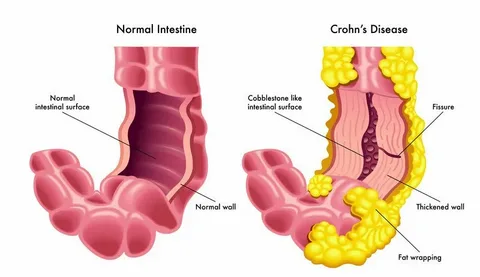
What is Crohn’s Disease?
Crohn’s disease is a chronic condition classified as one of the two main types of inflammatory bowel disease (IBD), the other being ulcerative colitis. This disorder is characterized by inflammation that can occur at any point along the gastrointestinal (GI) tract, from the mouth to the anus. The most commonly affected areas include the ileum, which is the last part of the small intestine, and the colon. The inflammation can extend deep into the layers of the affected bowel tissue, leading to various symptoms and complications.
The precise causes of Crohn’s disease remain not fully understood, though several factors are believed to contribute to its development. Genetics plays a significant role, as individuals with a family history of Crohn’s are at an elevated risk of developing the disease. Research indicates specific genetic mutations are associated with the condition, suggesting an inherited component may be involved. Additionally, certain environmental factors, such as diet and exposure to pathogens, may trigger or exacerbate the inflammatory response characteristic of Crohn’s disease.
There are also various risk factors associated with Crohn’s disease, including age, ethnicity, and lifestyle choices. The condition often manifests in young adults, typically between the ages of 15 and 35. Moreover, Caucasians, particularly those of Ashkenazi Jewish descent, are diagnosed with Crohn’s disease more frequently than other ethnic groups. Smoking has been identified as a risk factor, as it can worsen the condition. Conversely, non-smokers may experience different disease trajectories, often with fewer flare-ups.
Understanding Crohn’s disease is vital to recognizing its symptoms and devising effective management strategies. By appreciating the foundational aspects of this condition, individuals can better navigate the complexities of living with IBD.
Common Symptoms of Crohn’s Disease
Crohn’s disease is a type of inflammatory bowel disease (IBD) characterized by chronic inflammation of the gastrointestinal tract. The symptoms of Crohn’s disease can vary significantly among affected individuals, making awareness of common manifestations essential for early diagnosis and management.
One of the hallmark symptoms is abdominal pain, which often presents as cramping or discomfort. The intensity and location of the pain can differ based on the affected section of the intestines. Individuals may experience localized pain or, in some cases, more generalized discomfort. Accompanying this symptom is diarrhea, which can be chronic and may contain blood or mucus, depending on the severity of the inflammation.
Weight loss is another prevalent symptom experienced by those with Crohn’s disease. This weight reduction can be attributed to a combination of factors, including malabsorption of nutrients due to intestinal damage and a decreased appetite influenced by persistent abdominal discomfort. Similarly, fatigue is commonly reported, often resulting from the body’s energy expenditure battling chronic inflammation, coupled with deficiencies in essential vitamins and minerals.
Additionally, many individuals may experience fever as a manifestation of the underlying inflammatory processes. This symptom can fluctuate and might signal an exacerbation of the disease. Other symptoms may include joint pain, skin issues, and even eye inflammation, highlighting the systemic nature of Crohn’s disease.
It is important to recognize that the severity and frequency of these symptoms can greatly differ from person to person. Factors such as the extent of the disease, age, and response to treatment play crucial roles in the symptom profile of each patient. Early identification of these signs is vital for effective management and improving the quality of life for those living with Crohn’s disease.
Managing Crohn’s Disease: Lifestyle and Dietary Changes
Effectively managing Crohn’s disease encompasses significant lifestyle and dietary changes that can alleviate symptoms and improve overall well-being. Patients should prioritize a balanced diet that includes a variety of nutrients while also being keenly aware of potential food triggers, which typically vary by individual. Common food irritants can include dairy products, high-fat foods, and certain fibrous vegetables. Keeping a food diary may help patients identify specific foods that exacerbate their symptoms, allowing them to tailor their diet accordingly.
Staying hydrated is another critical aspect of managing Crohn’s disease. It is essential to drink adequate fluids, especially since dehydration can be a concern due to diarrhea. Avoiding excessive caffeine and sugary beverages is advisable, as these can worsen gastrointestinal discomfort. Instead, drinking water and electrolyte-rich fluids can aid in maintaining proper hydration levels.
Alongside dietary changes, adopting a holistic approach to lifestyle management is important. Implementing stress management techniques can profoundly influence the severity of Crohn’s symptoms. Practices such as mindfulness, yoga, and meditation can be incredibly beneficial in reducing stress. These methods support emotional well-being, which is closely linked to physical health in individuals with Crohn’s disease.
Regular exercise is another vital element in managing Crohn’s disease symptoms. Engaging in moderate, consistent physical activity can help enhance digestion, reduce stress, and stimulate overall energy levels. However, it is advisable for patients to consult with their healthcare professionals before embarking on any new exercise regimen to find activities that align well with their current health status.
In summary, effectively managing Crohn’s disease requires an integrated approach that combines dietary modifications with lifestyle changes. By doing so, patients can improve their quality of life and mitigate the impact of this condition on their daily activities.
Medical Treatments for Crohn’s Disease
Crohn’s disease is a chronic inflammatory condition affecting the gastrointestinal tract, and its management often necessitates various medical treatments tailored to individual patient needs. Effective management strategies typically include the use of anti-inflammatory medications, immunosuppressants, and biologics. These treatments aim to reduce inflammation, control symptoms, and maintain remission, allowing patients to lead a more comfortable life.
Anti-inflammatory medications, such as aminosalicylates, are often the first line of treatment for individuals diagnosed with Crohn’s disease. They work by targeting inflammation in the digestive tract to alleviate symptoms like abdominal pain and diarrhea. Corticosteroids may also be prescribed for more severe flare-ups. While these medications can be effective in managing acute symptoms, they are generally not recommended for long-term use due to potential side effects, including weight gain and increased susceptibility to infections.
Immunosuppressants, such as azathioprine and methotrexate, are another category of medications used to treat Crohn’s disease. These drugs work by suppressing the immune system’s response, thereby reducing inflammation. This class of medications requires careful monitoring, as they can increase the risk of infections and other complications. Biologics represent a more recent advancement in Crohn’s disease treatment, targeting specific pathways in the inflammatory process. Examples include infliximab and adalimumab, which can be particularly beneficial for patients who have not responded to other treatments.
It is crucial for patients to develop a personalized treatment plan in collaboration with their healthcare providers. This ensures that the chosen therapies align with their specific health needs and treatment goals. In some instances, if medical management fails to control symptoms or complications arise, surgery may be necessary. Surgical interventions typically involve the removal of affected sections of the intestine and are considered a last resort after other treatment options have been exhausted.