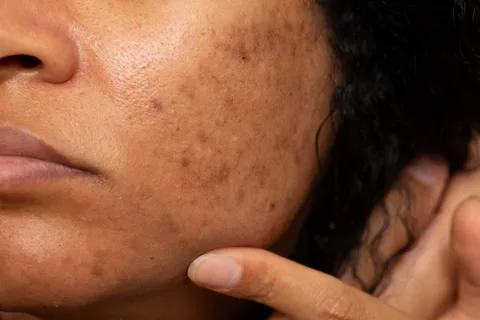
Understanding Dark Spots: Causes and Types
Dark spots, often referred to as hyperpigmentation, are a common skin concern that can affect individuals of various ages and skin types. The primary causes of dark spots are multifaceted and can include sun exposure, hormonal changes, the natural aging process, and conditions such as post-inflammatory hyperpigmentation. Understanding these factors is essential for effectively addressing and treating dark spots.
One significant contributor to the development of dark spots is sun exposure. Ultraviolet (UV) rays from the sun can trigger the production of melanin, the pigment responsible for skin color. Prolonged and unprotected sun exposure can lead to the formation of sun spots, commonly seen on areas frequently exposed to sunlight, such as the face, hands, and shoulders. These spots typically appear as small, darkened patches that can become more pronounced over time.
Hormonal changes also play a pivotal role in the emergence of dark spots. Conditions such as pregnancy and hormonal therapies can lead to melasma, a form of hyperpigmentation that presents as large, symmetrical patches on the face, particularly on the cheeks, forehead, and upper lip. This condition is often exacerbated by sun exposure, making protective measures during these periods crucial.
Additionally, the natural aging process contributes to the development of age spots, which are generally larger and more irregularly shaped than other types. These spots often appear on sun-exposed areas, reflecting the cumulative effects of UV damage over the years. Post-inflammatory hyperpigmentation is another type of dark spot that results from skin trauma, such as acne or eczema. The skin darkens in response to the inflammation, leaving behind spots that can persist long after the initial condition has healed.
Recognizing the specific type of dark spot is vital for determining the most effective treatment options. By understanding the causes and types of dark spots, individuals can make informed decisions about prevention and removal, ultimately leading to clearer and more radiant skin.
Effective Treatments for Dark Spot Removal
Dark spot removal has become a priority for many individuals seeking to enhance their skin’s appearance. A variety of solutions are available, ranging from over-the-counter creams to professional treatments, catering to different skin types and preferences. Understanding these options can help individuals make informed decisions about their skincare regimen.
Over-the-counter creams are often the first line of defense against dark spots. These products typically contain active ingredients such as hydroquinone, kojic acid, or vitamin C, which work to inhibit melanin production and promote cell turnover. While these creams can be effective, results may take several weeks to become noticeable, and some users might experience side effects such as irritation or sensitivity, particularly if they have sensitive skin.
For those seeking more aggressive treatment options, prescription medications are available. Dermatologists may recommend topical treatments that contain higher concentrations of ingredients like tretinoin or corticosteroids. These prescriptions are often more potent and can accelerate the skin’s renewal process, offering quicker results. However, potential side effects, including peeling or redness, should be discussed with a healthcare professional.
In addition to topical treatments, professional procedures such as chemical peels, laser therapy, and microdermabrasion are effective methods for dark spot removal. Chemical peels involve applying a solution to remove the top layer of skin, promoting new cell growth and reducing dark spots. Laser therapy targets pigment directly, using concentrated light to break down melanin. Microdermabrasion, on the other hand, is a non-invasive technique that exfoliates the outer layer of skin to fade discoloration over time. Each of these treatments has its own set of considerations and potential side effects, reinforcing the importance of consulting with a skincare professional to determine the best option based on individual skin concerns and desired outcomes.
Natural Remedies: Do They Really Work?
Dark spots, often a source of concern for many individuals, have led to the exploration of various natural remedies in seeking effective solutions. Among the most popular options are lemon juice, aloe vera, and vitamin C, each claimed to have skin-lightening properties. However, the effectiveness of these remedies is subject to scientific scrutiny, and understanding their impact is crucial for anyone looking to address hyperpigmentation.
Lemon juice, known for its acidic nature, is a common remedy touted for brightening the skin. It contains citric acid, which can promote exfoliation. However, it is essential to approach this remedy with caution. The high acidity can lead to skin irritation, especially for those with sensitive skin, and users are advised to perform a patch test prior to application. Furthermore, it is crucial to limit sun exposure following the use of lemon juice, as it can increase photosensitivity and potentially worsen dark spots.
Aloe vera, on the other hand, is renowned for its soothing properties and is often recommended for its ability to hydrate and heal the skin. Some studies have indicated that aloe vera may help reduce hyperpigmentation by promoting skin cell turnover. While it is generally safe for topical use, individuals should be mindful of potential allergic reactions, particularly if they have never used aloe vera before.
Vitamin C is another popular choice in the realm of natural remedies. This potent antioxidant has been studied extensively for its role in inhibiting melanin production. The incorporation of vitamin C into one’s skincare routine can indeed help in lightening dark spots over time. Nevertheless, it is important to use stable formulations as vitamin C can degrade in the presence of light and air, rendering it less effective.
In conclusion, while natural remedies such as lemon juice, aloe vera, and vitamin C may offer some hope for reducing dark spots, their effectiveness varies among individuals. Safety precautions must be observed to prevent adverse reactions, and consulting with a dermatologist is advisable prior to embarking on any at-home treatments.
Preventing Future Dark Spots: Tips and Best Practices
Preventing new dark spots from forming on the skin requires a proactive and comprehensive approach. One of the most effective strategies is sun protection. Exposure to ultraviolet (UV) rays is a primary contributor to the development of dark spots, making it essential to apply broad-spectrum sunscreen daily, regardless of the weather. A sunscreen with a minimum SPF of 30 should be applied generously to all exposed skin, even on cloudy days, and reapplied every two hours during prolonged sun exposure.
In addition to sun protection, incorporating antioxidants into your skincare routine can significantly enhance your skin’s defense against dark spot formation. Antioxidants, such as vitamins C and E, help neutralize free radicals generated by sun exposure and environmental pollutants. Including serums or creams packed with these powerful ingredients can provide additional support in achieving an even skin tone. Furthermore, incorporating products with alpha hydroxy acids (AHAs) or beta hydroxy acids (BHAs) can promote regular skin exfoliation, effectively removing dead skin cells and minimizing the risk of pigmentation issues.
Lifestyle choices also play a vital role in preventing dark spots. Maintaining a healthy, balanced diet rich in fruits, vegetables, and whole grains can boost skin health. Foods that are high in antioxidants, such as berries, nuts, and leafy greens, provide essential nutrients that support skin regeneration and repair. Moreover, staying adequately hydrated is crucial, as it helps to keep the skin plump and resilient. Consuming enough water daily aids in flushing out toxins and ensures that the skin retains its natural glow.
Incorporating these practices into your daily routine will not only help prevent new dark spots but also contribute to overall skin health. By prioritizing sun protection, utilizing antioxidants, and adopting healthier lifestyle habits, you can maintain a radiant and even complexion for years to come.