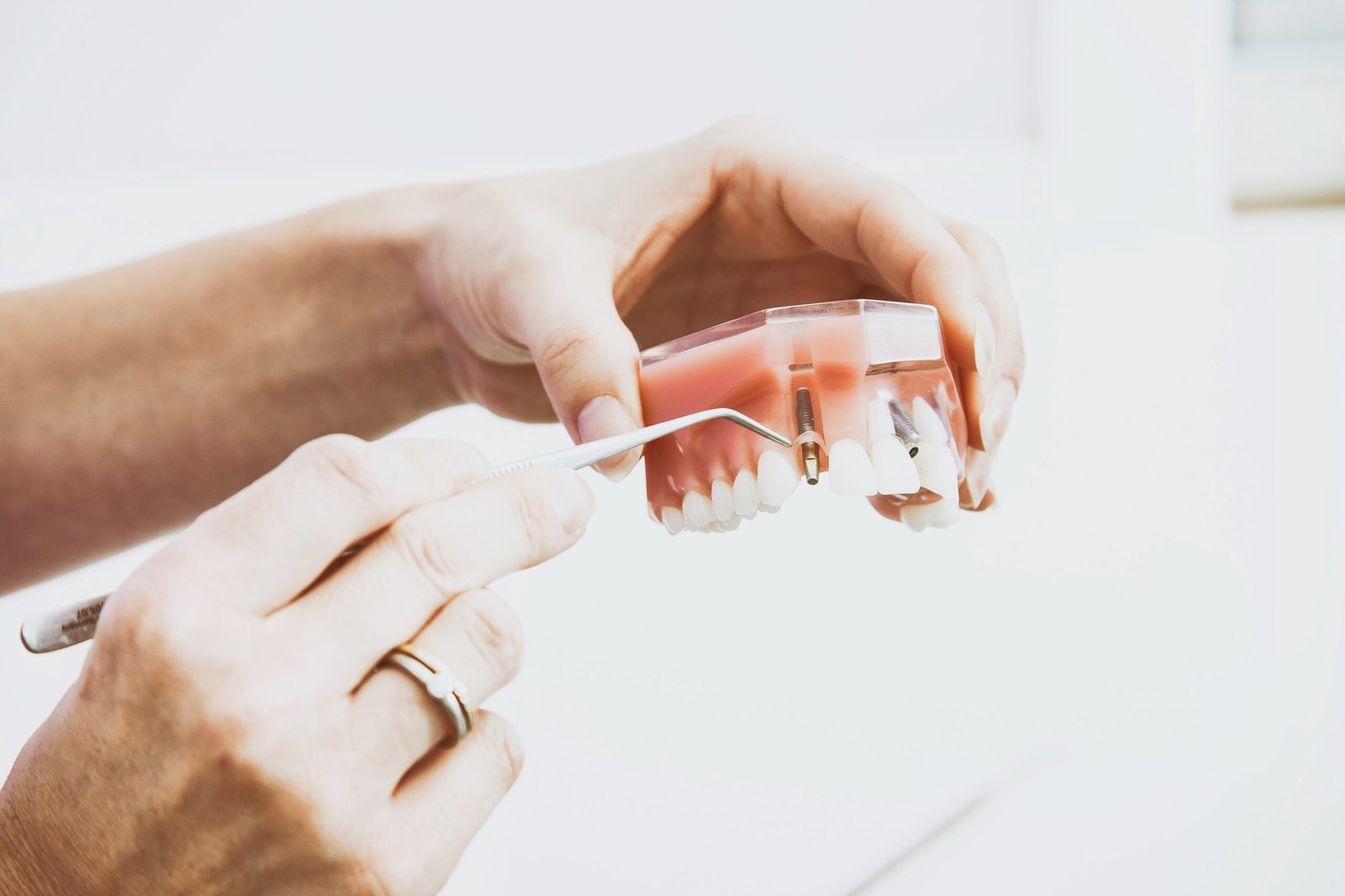
Introduction to Dental Implants
Dental implants represent a significant advancement in modern dentistry, providing an effective solution for individuals missing one or more teeth. Essentially, a dental implant is a small titanium post that is surgically inserted into the jawbone, serving as a sturdy foundation for replacement teeth. This innovative approach not only restores the functionality and aesthetics of a natural smile but also promotes overall oral health.
The primary components of a dental implant system include the titanium post, the abutment, and the crown. The titanium post is biocompatible, meaning it can securely fuse with the bone in a process known as osseointegration. This integration provides stability and strength, mimicking the role of a natural tooth root. Once the implant has fully integrated, an abutment is attached to the post; this connector serves as a link between the post and the crown, the visible portion of the dental implant that resembles a natural tooth.
When a crown is placed over the abutment, the result is a seamless and functional replacement that replicates the appearance of natural teeth. One of the significant advantages of dental implants is their ability to restore biting and chewing functionality, allowing patients to enjoy a varied diet without discomfort. Moreover, dental implants help maintain jawbone density, preventing the bone loss that can occur when teeth are missing. This preservation is crucial for long-term dental health as it maintains the facial structure and reduces the risk of further tooth loss.
In essence, dental implants provide a reliable alternative for tooth replacement, boasting a natural feel and appearance while supporting oral health in the long run. Understanding these components lays the groundwork for appreciating the numerous benefits that dental implants offer to individuals seeking restorative dental solutions.
The Advantages of Dental Implants Over Other Tooth Replacement Options
Dental implants stand out as a superior choice for tooth replacement when compared to traditional methods such as dentures and bridges. One of the primary advantages of dental implants is their permanence. Unlike dentures, which require regular removal for cleaning and can sometimes be uncomfortable, implants are surgically anchored into the jawbone, allowing them to function like natural teeth. This permanence ensures that patients do not need to worry about shifting or slippage while eating or speaking, offering significant improvements in quality of life.
Durability is another compelling reason to choose dental implants. Typically, these implants can last a lifetime with proper care, whereas bridges require replacement every 5 to 15 years and dentures may need adjustments or complete replacements over time. This longevity makes dental implants not only a practical investment but also a financially sound one in the long run, reducing the ongoing costs associated with periodic replacements and maintenance related to other tooth replacement options.
A crucial aspect of dental health that dental implants preserve is bone health. When a tooth is lost, the jawbone begins to deteriorate, which can lead to further tooth loss and changes in facial structure. Implants provide the necessary stimulation to the bone, preventing these adverse effects and promoting overall oral health. This integration with the jawbone also contributes to the aesthetic benefits of implants; they can be tailored to match the color and shape of surrounding teeth, ensuring a natural appearance. Thus, patients enjoy not only the functional benefits of implants but also a restored confidence that comes with a complete, natural-looking smile.
In summary, dental implants offer unmatched benefits over traditional denture and bridge options, including permanence, durability, preservation of jawbone health, and aesthetic appeal, making them the gold standard in tooth replacement solutions.
The Dental Implant Procedure: What to Expect
The journey to receiving dental implants begins with an initial consultation with a qualified dentist or oral surgeon. During this visit, the dental professional will evaluate your oral health, discuss your medical history, and perform diagnostic imaging, such as X-rays or a 3D scan, to assess the condition of your jawbone and determine the suitable approach for your particular case. This diagnostic phase is crucial as it helps in planning the treatment and ensuring the highest success rate for the dental implants.
Once the treatment plan is established, the next step is the surgical placement of the dental implant. This procedure is typically conducted under local anesthesia to ensure patient comfort, and in some cases, sedation may be offered for anxious patients. The surgeon will make a small incision in the gum tissue, expose the jawbone, and drill a precisely measured hole to insert the titanium implant. Following placement, the gum tissue is sutured back, allowing for healing.
The healing process, known as osseointegration, is critical for the success of the implant. During this time, which can take several weeks to months, the implant fuses with the jawbone, creating a stable foundation for the eventual crown. Regular follow-up appointments will allow the dentist to monitor healing and address any concerns that may arise.
Common queries regarding pain management are often raised. While discomfort may be experienced post-surgery, most patients find it manageable with over-the-counter pain relievers or prescriptions as recommended by their dentist. Recovery time varies depending on individual circumstances; however, many patients can return to normal activities relatively quickly, often within a few days.
In summary, understanding the dental implant procedure can alleviate anxiety for those considering it as a tooth replacement option. With careful planning and management, patients can confidently expect a successful outcome in restoring their smiles.
Long-Term Benefits and Maintenance of Dental Implants
Dental implants are widely regarded as the gold standard for tooth replacement, owing to their exceptional durability and high success rates. Unlike traditional dentures or bridges, implants are designed to be a long-lasting solution, offering a lifespan that can exceed two decades with proper care. Their composition of titanium ensures that they integrate seamlessly with the jawbone, creating a strong foundation that mimics the function of natural teeth. This stability not only enhances chewing efficiency but also supports the facial structure, preventing bone loss associated with missing teeth.
The long-term benefits extend beyond physical attributes. Many individuals who receive dental implants report significant improvements in their overall quality of life. Enhanced chewing function leads to a more varied diet, contributing to better nutrition and improved health. Additionally, having a complete smile can boost one’s confidence and self-esteem. The ability to speak clearly and articulate words without the discomfort often associated with removable dentures is another vital advantage that dental implants provide.
However, to maximize the longevity and efficiency of dental implants, it is essential to adhere to proper oral hygiene practices and attend regular dental check-ups. Brushing and flossing daily, alongside routine visits to one’s dentist, are critical for monitoring the health of both the implants and surrounding gums. Such diligent maintenance helps prevent potential complications such as infections or peri-implantitis. Understanding that dental implants require a commitment to oral care reinforces the notion that they represent a valuable investment in one’s dental and overall health.
Ultimately, these long-term benefits, paired with effective maintenance routines, underscore the rationale for choosing dental implants as a premier option for restoring missing teeth.