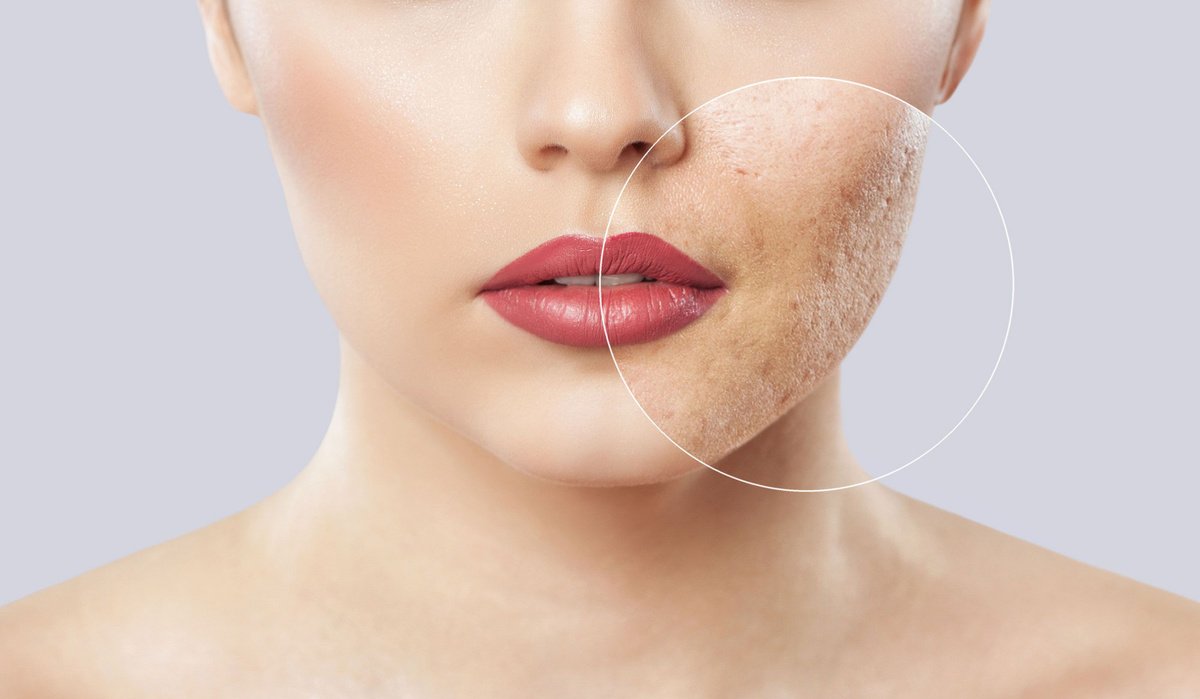
Understanding Acne Scars
Acne scars are the visible marks left on the skin following the healing of acne lesions. They develop due to various physiological processes that occur after the skin has sustained damage from acneic inflammatory activities. When an acne breakout occurs, inflammation can disturb the skin’s natural healing process. As a response, the body produces collagen, but the amount and quality of this collagen can vary, leading to distinct types of acne scars.
There are primarily two categories of acne scars: atrophic and hypertrophic. Atrophic scars, often referred to as “depressed scars,” result from a loss of tissue and can be categorized into three types: ice pick scars, boxcar scars, and rolling scars. Each type differs in appearance and depth, with ice pick scars being narrow and deep, while rolling scars consist of undulating surface texture. On the other hand, hypertrophic scars or keloids occur when excess collagen is produced during healing, leading to raised, thickened areas on the skin.
Understanding the differences between scarring and post-inflammatory hyperpigmentation (PIH) is critical. While both can appear following acne lesions, scarring involves changes in the skin’s texture or structure, resulting in permanent marks. In contrast, PIH is a temporary condition characterized by discoloration of the skin, which typically fades over time without leaving a textural change.
The emotional impact of acne scars should not be overlooked. Many individuals experience feelings of self-consciousness or low self-esteem due to the visible remnants of past acne. This can hinder social interactions and affect overall quality of life. Recognizing the emotional toll acne scars can take is essential for providing a holistic approach to treatment and support. A well-rounded understanding of the formation and implications surrounding acne scars serves as a foundation for exploring effective treatment options tailored to individual needs.
Top Treatment Options for Acne Scars
Treating acne scars effectively involves understanding various options available, which can be broadly categorized into cosmetic procedures and at-home remedies. Each treatment type offers distinct benefits, catering to different skin types and scar severity. This section will highlight several prominent acne scar treatment methods, aiming to provide clarity for those seeking solutions.
Cosmetic procedures are often favored for their efficacy and quick results. One popular option is laser therapy, which utilizes targeted light to stimulate collagen production and resurface the skin. This method can effectively minimize the appearance of scars but may come with potential side effects such as redness or swelling, necessitating consultations with a dermatologist for personalized advice.
Another cosmetic treatment is chemical peels, which involve the application of a solution to exfoliate the skin’s top layer, allowing for new skin to emerge. Beneficial for treating discolorations and surface scars, chemical peels vary in strength and can result in peeling and sensitivity post-treatment. Both laser therapy and chemical peels require professional administration, making them suitable for those seeking thorough and rapid improvements.
Microneedling is also gaining traction as an effective approach for acne scars. By creating micro-injuries in the skin, this method promotes the body’s natural healing response and collagen production. Although beneficial, microneedling may require multiple sessions and has minor side effects, including slight bleeding or bruising.
On the other hand, dermal fillers represent another avenue for scar treatment. By filling in depressions in the skin, these fillers can produce immediate results, however, they are not permanent solutions. Over time, an individual may need repeat injections, which can be a disadvantage for those seeking long-term effects.
In contrast, at-home remedies provide more accessible options, albeit with varying effectiveness. Natural treatments like honey, aloe vera, and lemon juice are often lauded for their skin-repairing properties. While these remedies are generally safe, results may take longer to appear compared to clinical treatments. Over-the-counter products containing ingredients such as retinoids or salicylic acid can also aid in scar improvement, offering a path for individuals uncomfortable with professional interventions.
In all, a customized approach considering individual scar types will help in selecting the most suitable treatment options, balancing efficacy, safety, and personal preferences.
Preventing Future Acne Scarring
Preventing acne scarring is a pivotal aspect of maintaining healthy skin, particularly following acne breakouts. One of the most effective strategies is adopting a proper skincare routine that focuses on cleansing, moisturizing, and protecting the skin to foster an environment that discourages breakouts and supports healing. Gentle cleansing twice a day with a suitable cleanser can prevent excess oil accumulation, unclog pores, and minimize the risk of new blemishes forming.
Avoiding the temptation to pick or squeeze pimples is another critical prevention step. By doing so, individuals can significantly reduce the likelihood of inflamed lesions, which often lead to scarring. Picking can introduce bacteria and additional irritation, deepening the potential for scar formation. It is advisable to practice patience and allow acne to resolve naturally, employing topical treatments as needed to manage active breakouts effectively.
Early intervention plays a vital role in reducing acne scarring. Utilizing products with proven ingredients such as salicylic acid or benzoyl peroxide can help mitigate the severity of acne while minimizing potential damage to the skin. Additionally, consistent hydration is essential for overall skin health. Drinking adequate water daily, along with using hydrating skincare products, supports skin elasticity and can aid in the healing process.
Moreover, applying broad-spectrum sunscreen with SPF protection is imperative. Sun exposure can exacerbate hyperpigmentation and make scars more prominent, complicating the healing process. Incorporating antioxidant-rich serums can also be beneficial, as these products can assist with reducing inflammation and promoting skin repair. By implementing these strategies and fostering a proactive skincare regimen, individuals can take significant steps toward preventing future acne scarring and enhancing their overall skin health.
When to Seek Professional Help
Individuals dealing with significant acne scars often find the emotional impact of their condition can be as distressing as the physical effects. While some scars may improve with home treatment or over-the-counter products, others may require the specialized care of a dermatologist or skincare professional. It is essential to recognize the signs indicating when to pursue professional assistance for effective acne scar removal.
Persistent scars that do not respond to home care methods are often a clear signal that a professional evaluation is needed. This includes deep scarring that may cause textural irregularities on the skin or depressed scars that remain noticeable over time. When scars are severe, they can not only affect one’s appearance but also lead to a decline in self-esteem and social interactions. Therefore, seeking the expertise of a qualified dermatologist could provide necessary relief and improved outcomes.
Choosing the right specialist is crucial for individual comfort and successful treatment. Prospective patients should look for professionals with experience in acne scarring and related treatments. Checking credentials, reviews, and before-and-after galleries can help in making an informed decision. A good dermatologist will assess the patient’s unique skin type, scar characteristics, and the severity of the scarring during consultation.
During a consultation, the dermatologist may perform a comprehensive assessment that includes a thorough examination of the skin and discussion of the patient’s medical history and treatment goals. This process will facilitate the development of a customized treatment plan tailored to the individual’s needs. Treatment options may range from chemical peels and laser therapy to more invasive procedures such as microneedling or surgical interventions. Understanding these processes can help patients feel more confident in their approach to managing acne scars, paving the way for effective resolution and enhanced skin health.