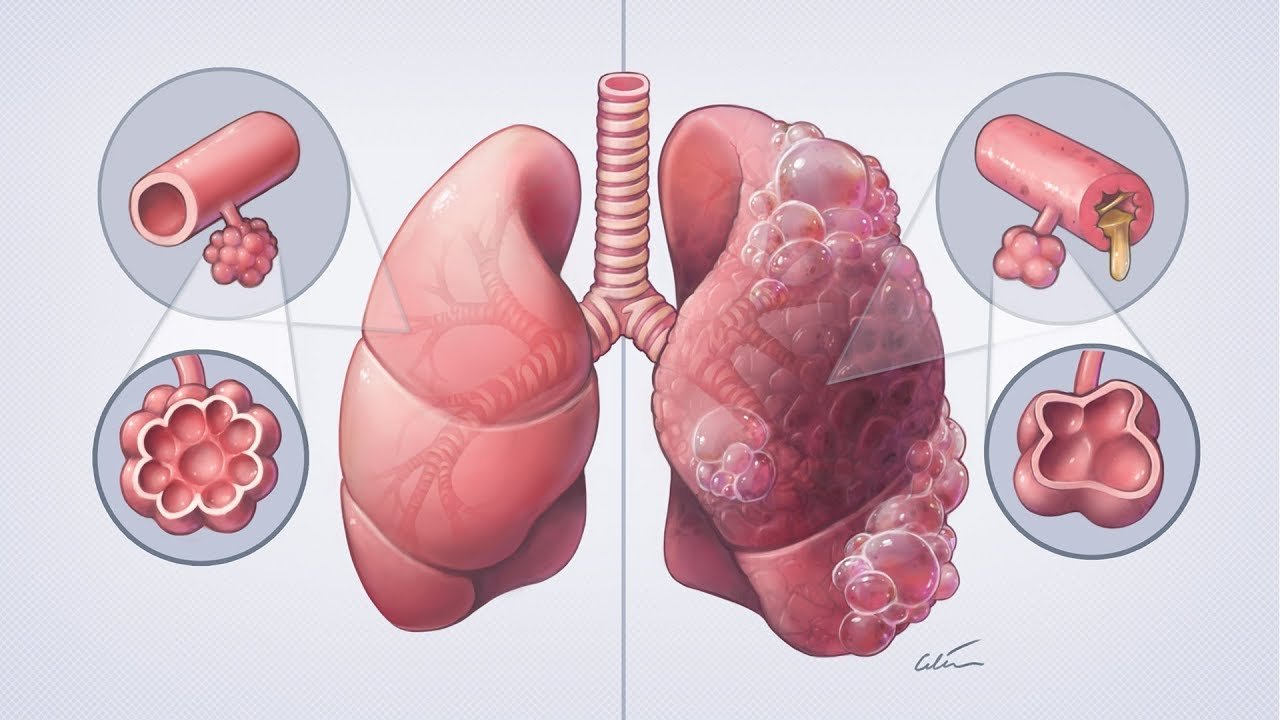
What is COPD and Its Symptoms
Chronic Obstructive Pulmonary Disease (COPD) refers to a group of progressive lung diseases that obstruct airflow and complicate normal breathing. Primarily caused by long-term exposure to harmful pollutants, such as cigarette smoke, air pollution, and occupational dust or chemicals, COPD is characterized by irreversible respiratory damage. The primary forms of COPD include emphysema and chronic bronchitis, both major contributors to morbidity and mortality worldwide.
One of the hallmark symptoms of COPD is a chronic cough, which tends to be persistent and may produce mucus. Individuals with this condition often experience wheezing, a whistling sound during breathing that occurs due to narrowed airways. Shortness of breath, particularly during physical activities, frequently manifests and can progressively worsen over time, ultimately impacting daily living. As the disease advances, individuals may become increasingly breathless, even during rest.
Additionally, frequent respiratory infections can signify COPD’s presence, as the compromised lung function can make the lungs more susceptible to infections. Those with COPD may notice an increase in the frequency of colds, flu, and pneumonia. Other common symptoms include fatigue, chest tightness, and difficulty sleeping due to breathing issues. Recognizing these symptoms early is crucial, as timely diagnosis enables effective management strategies and therapeutic interventions, reducing the overall impact on a patient’s quality of life.
Healthcare professionals emphasize the importance of awareness concerning these symptoms, as they can significantly hinder an individual’s ability to engage in daily activities and maintain a healthy lifestyle. Moreover, early detection facilitates timely access to treatment options, enabling patients to manage their condition more effectively. Understanding COPD and its symptoms is the first step toward achieving better health outcomes and enhancing overall well-being.
Key Risk Factors for Developing COPD
Chronic Obstructive Pulmonary Disease (COPD) is a progressive respiratory condition that significantly affects individuals worldwide. Understanding the key risk factors associated with the development of COPD is crucial for prevention and management. One of the most significant contributors to COPD is smoking, including both active smoking and exposure to secondhand smoke. Cigarette smoke contains numerous harmful chemicals that can damage lung tissue and lead to chronic inflammation, ultimately increasing the risk of developing this debilitating disease.
In addition to smoking, environmental pollutants also play an essential role in the onset of COPD. Airborne irritants such as industrial emissions, vehicle exhaust, and indoor pollutants, such as those from cooking and heating, can exacerbate respiratory health issues. Prolonged exposure to these pollutants can cause cumulative damage to lung function over time and increase vulnerability to respiratory diseases.
Occupational exposures represent another significant risk factor for many who develop COPD. Jobs that involve exposure to dust, chemicals, and fumes, such as construction, mining, or agriculture, can lead to long-term respiratory issues. It is vital for individuals in these occupations to utilize protective measures to minimize exposure to hazardous substances and promote lung health.
Lastly, genetic predispositions may influence an individual’s likelihood of developing COPD. Conditions such as Alpha-1 Antitrypsin Deficiency can significantly increase susceptibility to lung damage. While genetic factors cannot be modified, awareness of one’s family health history can help individuals take proactive steps in monitoring their respiratory health.
By recognizing these key risk factors for COPD, individuals can take preventative measures to reduce their exposure and mitigate the potential for developing this serious respiratory condition. Awareness and lifestyle changes play an integral role in fostering better lung health for the future.
Managing COPD: Lifestyle Changes and Treatments
Chronic Obstructive Pulmonary Disease (COPD) poses significant challenges, but effective management strategies can greatly enhance the quality of life for those affected. One of the most crucial lifestyle changes is quitting smoking, as it is the primary cause of COPD exacerbations and progression. Individuals with COPD who cease smoking often experience a noticeable improvement in lung function and a decrease in symptoms. Support programs, counseling, and nicotine replacement therapies can aid this process, facilitating a successful transition towards a smoke-free life.
Regular physical activity is another vital component of COPD management. Engaging in moderate exercises, such as walking or cycling, can improve overall respiratory function and increase stamina. Tailored pulmonary rehabilitation programs that combine exercise training with educational components can empower patients to take an active role in their health management. These programs encourage individuals to gradually enhance their physical capabilities while offering support and supervision by healthcare professionals.
A balanced diet plays a significant role in managing COPD as well. Maintaining a healthy weight can alleviate strain on the respiratory system. Nutrient-rich foods, including fruits, vegetables, lean proteins, and whole grains, provide necessary energy and support immune function. Patients should also stay properly hydrated, as adequate fluid intake can help to thin mucus secretions, making it easier to breathe.
On the medical front, several treatments can aid in managing COPD symptoms. Bronchodilators are common medications used to relax airway muscles, thereby improving airflow. Corticosteroids may be prescribed to reduce inflammation in the airways. Additionally, pulmonary rehabilitation offers a structured program encompassing exercise, education, and respiratory therapy, which collectively empowers patients to manage their COPD effectively. Understanding and implementing these lifestyle changes and treatments can lead to significant improvements in daily functioning and well-being for those living with COPD.
Living Well with COPD: Support and Resources
Coping with Chronic Obstructive Pulmonary Disease (COPD) requires a comprehensive approach that incorporates medical support, emotional encouragement, and accessible resources. Establishing a solid support system is crucial for individuals living with COPD, as it can significantly enhance their quality of life. One effective way to find companionship and understanding is by joining support groups, both in-person and online. These groups offer individuals the opportunity to connect with others who share similar experiences, fostering an environment of empathy and shared learning.
In addition to support groups, accessing educational resources can empower patients and their families. Knowledge about COPD is a powerful tool, equipping individuals with information on managing symptoms, medication adherence, and lifestyle modifications. Numerous organizations, such as the American Lung Association and COPD Foundation, offer comprehensive materials that cover a wide array of topics related to the disease. Furthermore, local healthcare facilities often provide classes and workshops focused on breathing techniques, nutritional advice, and exercise programs tailored for those with respiratory challenges.
The role of healthcare professionals cannot be overstated in the management of COPD. From pulmonologists to respiratory therapists, a multi-disciplinary team can help patients navigate their treatment options effectively, ensuring that both physical and emotional health needs are addressed. Regular follow-ups and open communication with healthcare providers are essential for monitoring the disease and adapting management strategies as needed.
Practical tips for living well with COPD include establishing a daily routine that incorporates physical activity suitable for one’s condition and using tools like journals to track symptoms and triggers. Online resources, such as forums and mobile applications designed for COPD patients, can provide additional support along this journey. By employing a combination of community support, education, and professional assistance, individuals with COPD can lead fulfilling lives while effectively managing their condition.