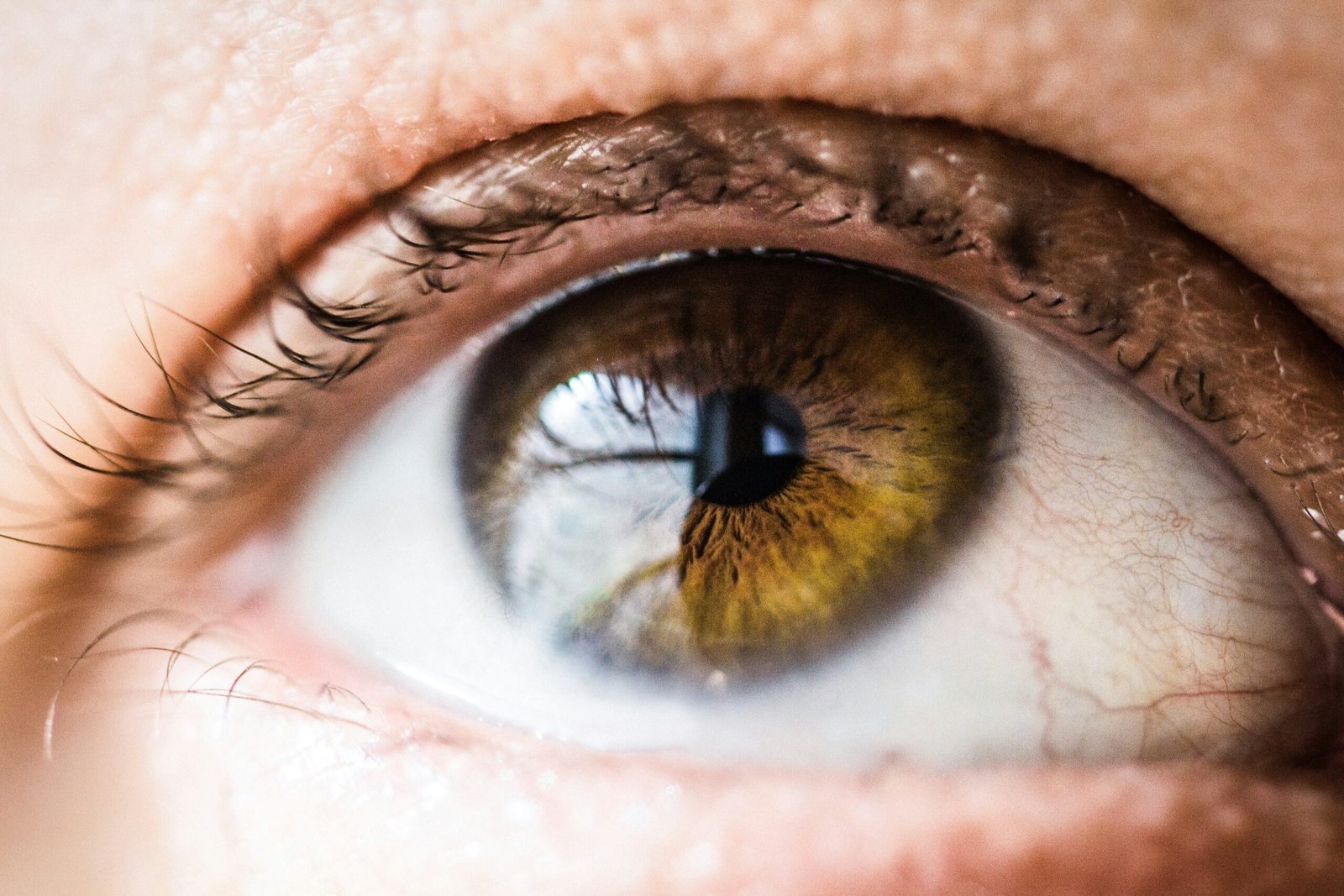
Understanding Dry Eye Syndrome
Dry eye syndrome is a common ocular condition characterized by insufficient quantity or quality of tears, leading to symptoms such as discomfort, irritation, and potential damage to the surface of the eye. This syndrome arises when the tear film, which is essential for maintaining eye moisture, protection, and clarity of vision, becomes imbalanced. The tear film consists of three layers: the lipid (oil) layer that prevents evaporation, the aqueous (water) layer that provides moisture, and the mucin layer that enhances tear spread across the eye. Disruption in any of these components can result in dry eye symptoms.
Various factors contribute to the onset of dry eye syndrome. Age is a significant risk factor; as individuals age, tear production tends to decrease, making older adults more susceptible to the condition. Additionally, environmental factors, such as prolonged exposure to air conditioning, wind, and digital screens, can exacerbate dryness by increasing evaporation of the tear film. Furthermore, certain medications, including antihistamines and anticholinergics, can impede tear production or alter tear quality, heightening the likelihood of developing dry eye syndrome.
The prevalence of dry eye syndrome is on the rise, affecting millions worldwide. Research indicates that approximately 5-30% of adults may experience some form of dry eye, with higher rates reported among older populations and those with underlying health conditions, such as autoimmune diseases. Understanding dry eye syndrome as a treatable yet common condition is essential, as early recognition and management can significantly improve quality of life. Individuals experiencing symptoms should not hesitate to seek professional advice, as effective management strategies are available to alleviate discomfort and restore tear balance.
Common Symptoms of Dry Eye: Recognizing the Signs
Dry eye syndrome, a condition that occurs when tears are not able to provide adequate lubrication for the eyes, is characterized by a variety of symptoms that can significantly affect individuals’ quality of life. One of the most common sensations reported by those suffering from this condition is persistent dryness in the eyes. This uncomfortable feeling can lead to increased sensitivity to light and a sense of urgency for relief.
In addition to dryness, many individuals experience irritation, which can manifest as a stinging or burning sensation. This discomfort can sometimes be exacerbated by environmental factors such as wind, smoke, or prolonged exposure to screens, which are commonplace in today’s digital world. As a result, individuals may find themselves repeatedly rubbing their eyes, hoping to alleviate the uncomfortable feelings.
Furthermore, fluctuating vision is another prevalent symptom that can occur with dry eye syndrome. Patients often report that their eyesight may seem clearer at times and become blurry at other moments. These changes can hinder daily activities such as reading or using a computer, leading to frustration and decreased productivity.
Additionally, some individuals experience a gritty sensation in their eyes, akin to having sand or dirt trapped within. This symptom can further contribute to the overall discomfort caused by dry eyes and may become worse in certain conditions, particularly in dry or windy environments.
With the varying intensity of these symptoms, it is essential for individuals to be aware of how their daily activities may be affected. Early recognition and understanding of these signs are critical for timely diagnosis, which can lead to effective management strategies tailored to their specific needs. By acknowledging these symptoms, individuals can take proactive steps towards alleviating discomfort associated with dry eye syndrome.
Lifestyle Changes and Home Remedies for Managing Dry Eye
Managing dry eye symptoms effectively requires a multifaceted approach that encompasses lifestyle changes and home remedies. One of the primary recommendations is to ensure adequate hydration. Drinking sufficient water throughout the day can help maintain tear production and overall eye health. Aim for at least eight glasses, or more if engaging in physical activity or living in a dry climate.
In addition to hydration, using humidifiers in your home can significantly improve indoor air quality, especially during the winter months when heating systems can cause dryness. A humidifier adds moisture to the air, which can help alleviate the discomfort associated with dry eyes. Positioning the humidifier in the bedroom can be particularly beneficial while you sleep.
Screen time is another factor that contributes to dry eye issues. Implementing the 20-20-20 rule can be an effective strategy; every 20 minutes, take a 20-second break to look at something 20 feet away. This practice reduces eye strain and encourages blinking, which in turn aids in replenishing tears on the eye surface.
Incorporating specific eye exercises can also enhance comfort. Simple exercises, such as rolling the eyes or gently massaging the eyelids, can stimulate tear production and promote ocular health. Alongside these exercises, maintaining eyelid hygiene is essential. Regularly cleaning the eyelids with mild soap or eyelid scrubs can eliminate debris and prevent irritation.
Home remedies also play a crucial role in managing dry eye symptoms. Applying warm compresses for a few minutes can soothe the eyes and help unclog any blocked oil glands. Furthermore, dietary adjustments, particularly increasing the intake of omega-3 fatty acids through foods like flaxseeds, walnuts, and fatty fish, can improve tear quality and provide long-term relief from dry eye discomfort.
Professional Treatments and When to Seek Help
For individuals experiencing persistent symptoms of dry eye syndrome that do not improve with over-the-counter solutions, it may be necessary to explore professional treatments. Prescription medications are available to address this condition more aggressively. Anti-inflammatory drugs, for instance, can reduce inflammation on the ocular surface, alleviating discomfort and promoting tear production. Common examples include cyclosporine A and lifitegrast, which help in managing the chronic symptoms associated with dry eyes.
In addition to medication, certain medical procedures may provide long-term relief. One such option is the insertion of punctal plugs, tiny devices that are placed in the tear drainage ducts to prevent tears from draining away too quickly. This treatment is particularly beneficial for patients who have a diminished tear film due to various factors, including environmental conditions or age-related changes.
Specialized eye drops, often referred to as “artificial tears,” can also play a vital role in the management of dry eye syndrome. Unlike their over-the-counter counterparts, these prescription drops often contain additional lubricants or anti-inflammatory agents designed to provide longer-lasting relief from dryness. Consultation with an eye care professional is essential to determine the most suitable formulation based on specific needs.
It is important to recognize the signs that indicate a need for professional assistance. If dry eye symptoms persist despite using over-the-counter products, or if discomfort interrupts daily activities, seeing an optometrist or ophthalmologist is crucial. These healthcare professionals can conduct comprehensive evaluations to create personalized treatment plans tailored to individual circumstances. Addressing dry eye syndrome early with appropriate medical intervention can prevent complications and improve quality of life.