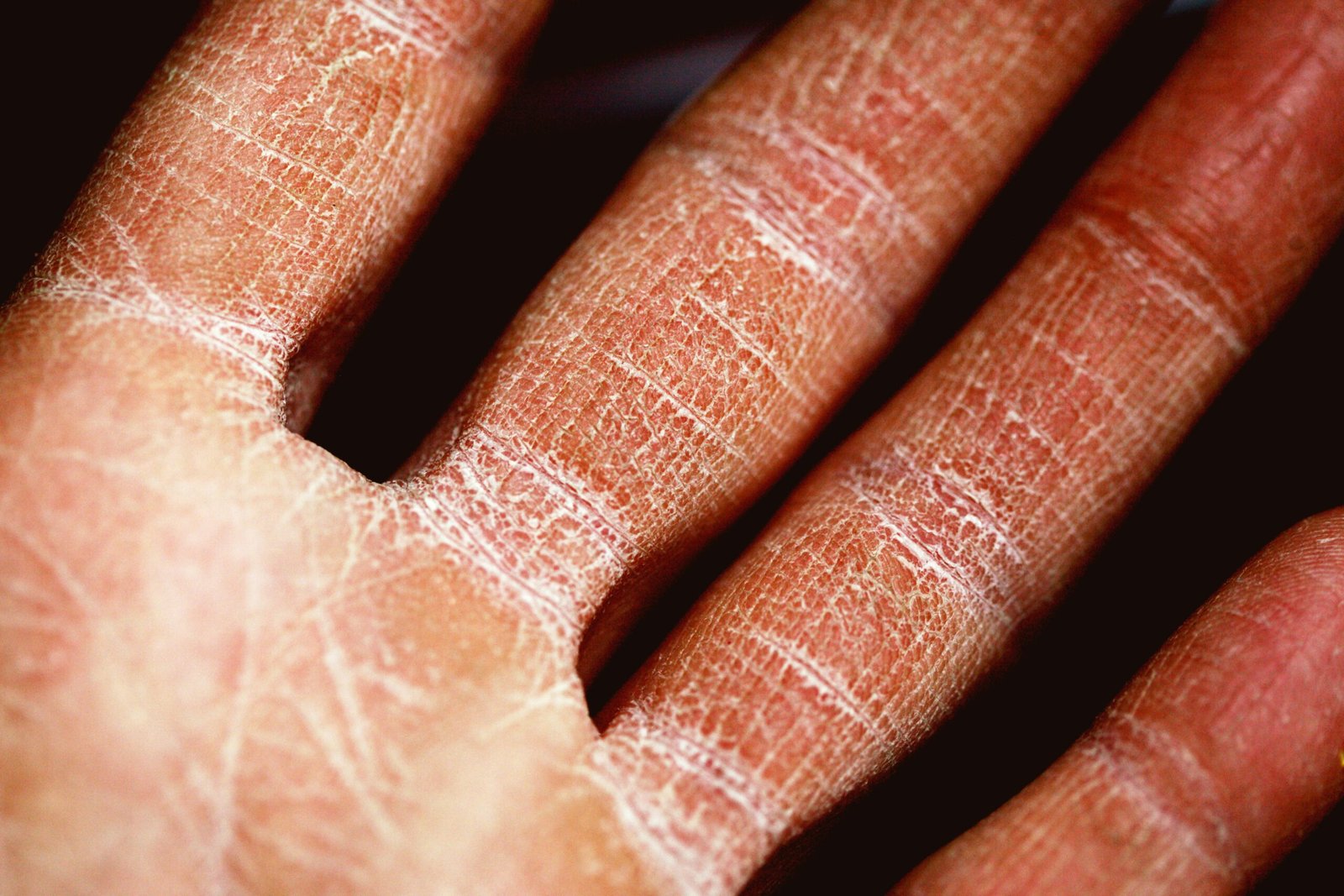
What is Eczema?
Eczema, also known as dermatitis, is a chronic inflammatory skin condition that manifests through various symptoms, including redness, dryness, and itching. It can affect individuals of all ages, from infants to elderly adults. The most prevalent type is atopic dermatitis, which is often seen in children but can persist into adulthood. Other common forms include contact dermatitis, which occurs due to skin contact with irritants or allergens, seborrheic dermatitis, and stasis dermatitis, often associated with poor circulation. Understanding these different types is crucial for effective management and treatment.
The prevalence of eczema has been notably increasing over the years, affecting approximately 20% of children and up to 3% of adults globally. Certain demographics, such as those with a family history of allergic conditions, may be at a higher risk of developing eczema. Environmental factors, including exposure to allergens, irritants, and climate conditions, can contribute to the onset and exacerbation of eczema symptoms. It is essential to recognize these factors to lessen the condition’s impact on daily life.
The etiology of eczema is multifaceted, encompassing both genetic predispositions and environmental triggers. Research suggests a link between the skin barrier’s dysfunction and the development of this condition, leading to increased penetration of allergens and irritants, which in turn provokes an inflammatory response. Additionally, environmental stressors, such as pollutants and temperature fluctuations, can aggravate eczema, making it essential for individuals to be aware of their surroundings and potential triggers.
By understanding the nature of eczema, along with its various types and the factors that contribute to its prevalence, individuals can be better equipped to identify symptoms early on. This foundational knowledge is critical for adopting effective management strategies that enhance quality of life and minimize flare-ups associated with this skin condition.
Common Symptoms of Eczema
Eczema, also known as atopic dermatitis, is a chronic condition characterized by a range of symptoms that can significantly impact an individual’s quality of life. The hallmark symptoms of eczema typically include dry skin, intense itching, redness, and the presence of rashes. These manifestations can vary markedly from person to person, with some experiencing mild discomfort while others face severe outbreaks that can be distressing.
Dry skin is often the first noticeable symptom, occurring due to a compromised skin barrier that fails to retain moisture effectively. This dryness can lead to persistent itching, which is one of the most prominent features of eczema. Scratching may provide temporary relief but often exacerbates the condition, leading to a cycle of irritation and further skin damage.
Flare-ups of eczema may occur unpredictably and can be triggered by various external factors, including allergens such as pollen, dust mites, or pet dander. Weather changes, particularly during colder months when air humidity is low, can intensify symptoms. Additionally, emotional stress has been documented to contribute to worsening symptoms, highlighting the psychosomatic aspects of managing eczema.
The manifestation of symptoms often differs between children and adults. In infants, eczema commonly appears as red, itchy patches on the face and scalp. In older children and adults, it tends to manifest in areas such as the flexural regions of the arms and legs, and may present as thickened skin due to chronic scratching. Personal anecdotes reflecting these experiences can substantially enhance understanding, as individuals may recount how their symptoms fluctuate depending on personal circumstances and environmental changes.
Recognizing the varying symptoms of eczema is crucial for appropriate management, as tailored strategies can significantly alleviate discomfort and improve the overall well-being of those affected.
Effective Management Strategies for Eczema
Managing eczema effectively requires a comprehensive approach that addresses the various factors contributing to the condition. One of the primary strategies involves establishing a diligent skincare routine that prioritizes moisturization. Regular application of emollients helps to maintain the skin’s barrier function, preventing water loss and reducing dryness, which are crucial in minimizing flare-ups. Moisturizers should ideally be applied immediately after bathing to trap moisture in the skin.
In addition to a consistent skincare routine, the use of topical steroids can be beneficial in reducing inflammation during flare-ups. These medications vary in potency and should be used under the guidance of a healthcare professional. It’s important to adhere to the prescribed regimen to avoid potential side effects and to ensure maximum efficiency in controlling eczema symptoms.
A significant aspect of eczema management is the identification and avoidance of known triggers. Common triggers can include allergens, irritants, and environmental factors. Keeping a journal to track flare-ups can help in pinpointing specific triggers, allowing individuals to take proactive measures in their daily lives. Furthermore, incorporating lifestyle changes such as dietary adjustments can also contribute to symptom relief. For example, some people with eczema report improvements by reducing intake of certain foods like dairy and gluten.
Additionally, managing stress is crucial, as emotional factors can exacerbate eczema symptoms. Techniques such as mindfulness, meditation, and exercise can be effective in reducing stress levels. On the frontier of eczema treatment, various innovative therapies are being researched, offering promising options for individuals struggling with this condition. These may include newer biologic drugs, phototherapy, and integrative approaches, enhancing the overall management landscape for eczema. By adopting a multifaceted approach, individuals can find effective strategies tailored to their unique needs and conditions.
Seeking Professional Help and Future Outlook
For individuals experiencing persistent or severe eczema symptoms, it is crucial to seek professional help. Recognizing when to consult a healthcare provider can be vital for effectively managing the condition and improving the quality of life. Symptoms such as extensive redness, intense itching, or skin cracking may indicate a worsening of eczema that requires medical intervention. Additionally, if over-the-counter treatments fail to provide relief, or if symptoms significantly interfere with daily activities, it is advisable to schedule an appointment with a healthcare professional.
During a consultation, a healthcare provider will typically perform a thorough examination of the affected skin areas and inquire about the patient’s medical history and lifestyle. It is important for the patient to discuss the severity and frequency of their symptoms, as well as any previous treatments attempted. Based on this information, a doctor may recommend prescription medications, lifestyle changes, or specific skincare routines. In some cases, referrals to specialized dermatologists may be necessary to access advanced treatment options and comprehensive care tailored to the individual’s needs.
Looking ahead, current research trends indicate a promising future for eczema management. Advances in dermatological science are leading to the development of new therapies, including biologic agents that target specific pathways in the inflammatory process associated with eczema. These emerging treatments have shown potential in clinical trials, providing hope that those affected may soon experience more effective options for alleviating their symptoms. Additionally, researchers are exploring the relationship between genetics and eczema, which could unlock tailored approaches for prevention and management based on an individual’s unique profile.
Ultimately, by staying informed and proactive in seeking professional guidance, individuals can gain control over their eczema and improve their overall well-being. Embracing advancements in research and healthcare will continue to play a pivotal role in transforming the future of eczema treatment strategies.