Understanding Hair Loss: The Basics
Hair loss, medically known as alopecia, can arise from a multitude of factors, both hereditary and environmental. The physiological process of hair growth involves a complex cycle that includes the anagen, catagen, and telogen phases. Each hair follicle operates independently in this cycle, and as hair transitions through these stages, it is subject to various influences that may result in thinning or complete loss.
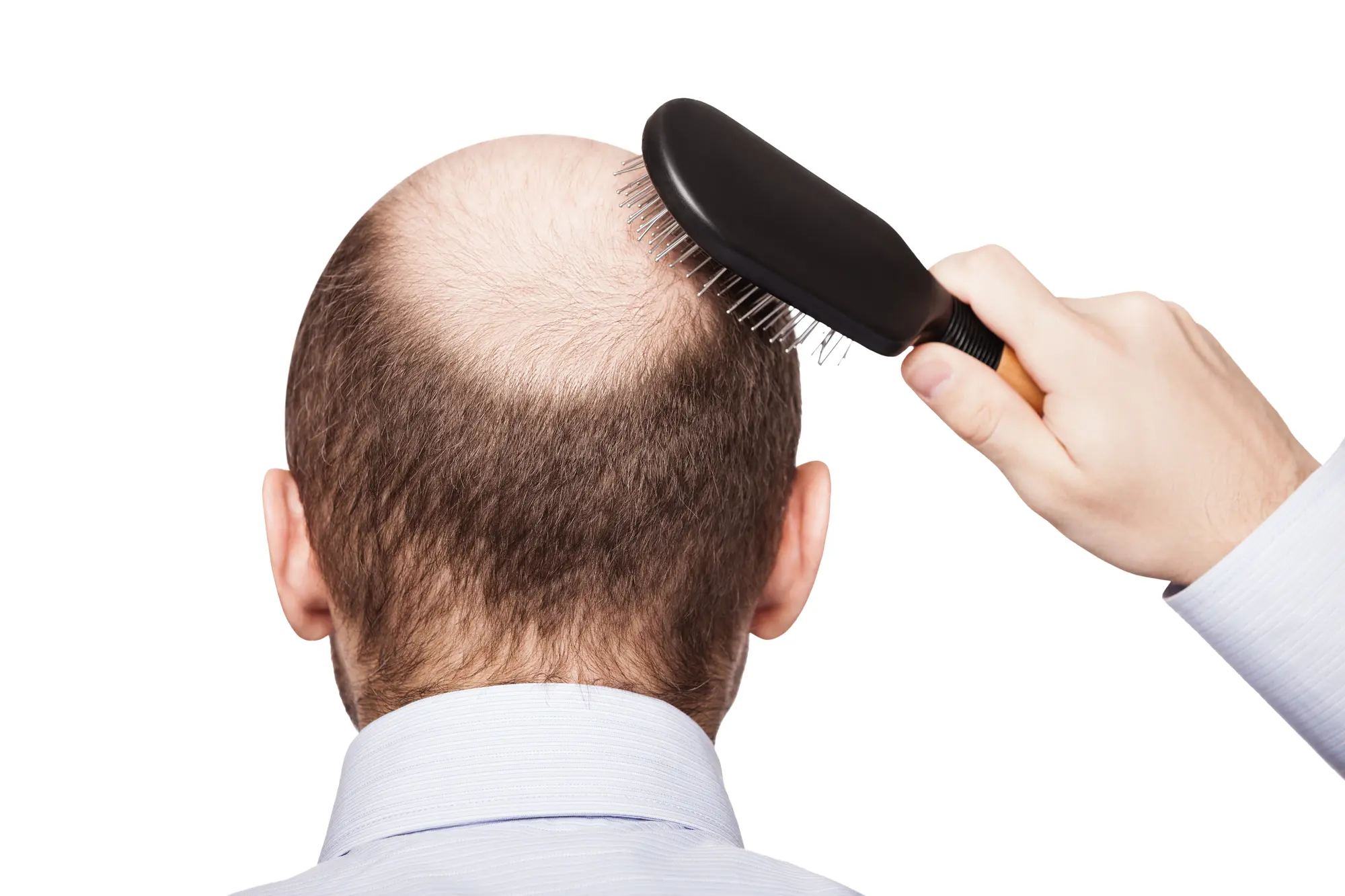
One of the most common forms of hair loss is known as androgenetic alopecia, or male and female pattern baldness. This condition is largely dictated by genetic factors and hormonal changes. In men, this often manifests as a receding hairline or thinning at the crown. For women, it typically presents as a widening part or general thinning across the scalp. Understanding the genetics behind these patterns can help individuals better comprehend their own experience with hair loss.
Additionally, hair loss can also be triggered by medical conditions such as thyroid disorders, autoimmune diseases, or scalp infections. For instance, alopecia areata is an autoimmune condition that leads to sudden, patchy hair loss. This condition can affect individuals of all ages, and the exact trigger remains largely unknown, though it is believed to be linked to hereditary factors and environmental stressors.
Environmental influences such as stress, nutritional deficiencies, and exposure to toxins can also contribute to hair loss. Hormonal fluctuations experienced during pregnancy, menopause, or due to certain medications may further complicate the issue. A comprehensive understanding of these factors is essential for those affected, as it lays the groundwork for effectively addressing their hair loss concerns and exploring viable treatment options.
The Emotional Impact of Hair Loss
Hair loss can have a profound emotional impact on individuals, often extending far beyond the physical changes visible to the eye. For many, hair represents a crucial aspect of identity; losing it can lead to a deep-seated sense of loss. The psychological effects can manifest in various ways, with feelings of inadequacy and diminished self-esteem frequently reported. Personal anecdotes from those who have experienced hair loss reveal this struggle in stark terms. One individual shared, “When I started losing my hair, I felt as if a part of my identity was being stripped away. I no longer recognized myself in the mirror.” Such sentiments illustrate how hair loss can challenge a person’s self-image and lead to anxiety or depression.
The societal perception of beauty often highlights full hair as a sign of youth and vitality. Consequently, those experiencing hair loss may feel alienated or stigmatized. A survey highlighted that individuals with visible hair loss often encounter unsolicited comments or questions, further exacerbating feelings of self-consciousness. “I constantly felt like I had to justify my appearance,” another individual noted, underlining the weight of societal expectations associated with hair.
Moreover, the emotional burden of hair loss can impede daily interactions, resulting in avoidance of social situations. This can lead to a cycle of isolation, ultimately impacting mental well-being. Open discussions surrounding hair loss are crucial in breaking down societal barriers. By sharing personal experiences and emotions, individuals can foster supportive communities that validate each other’s feelings. These conversations can help others articulate their struggles and encourage the understanding required to combat stigma. Creating spaces for honest dialogue about hair loss and its emotional toll is vital, as it not only supports those affected but also promotes empathy and understanding within society.
Breaking the Silence: Sharing Stories and Solutions
Hair loss affects millions of individuals worldwide, and the stigma surrounding it often leads to silence and isolation. In recent years, however, initiatives and organizations dedicated to breaking this silence have emerged, fostering a sense of community among those experiencing hair loss. These platforms not only provide support but also empower individuals to embrace their journeys while sharing personal stories of resilience and recovery.
One such initiative is the National Alopecia Areata Foundation (NAAF), which aims to promote awareness and provide resources for individuals facing hair loss due to alopecia. Their community events and forums enable participants to share their experiences, forging connections that can alleviate feelings of loneliness. Similarly, online platforms such as HairLossTalk.com and forums on Reddit offer safe spaces for individuals to discuss hair loss struggles and successes, helping to cultivate a supportive network.
In addition to sharing stories, individuals facing hair loss often seek practical solutions to navigate their challenges. Professional help, such as consulting with a dermatologist or a trichologist, can be invaluable in understanding the underlying causes of hair loss and exploring treatment options. These professionals may recommend a range of solutions, from topical treatments and medications to more advanced procedures like hair transplants or scalp micropigmentation.
Moreover, coping strategies play a crucial role in managing the psychological effects of hair loss. Many find empowerment in exploring alternative styles, such as wigs or head coverings, while others engage in creative outlets such as writing, painting, or blogging about their experiences. These avenues not only minimize the impact of hair loss on self-esteem but also encourage individuals to connect with others who understand their journey. By breaking the silence and sharing personal stories, those affected by hair loss can find comfort, support, and empowerment.
Embracing Confidence: Moving Forward
Facing hair loss can be a challenging experience, impacting self-esteem and personal identity. However, cultivating self-acceptance and confidence is essential in navigating this journey. One of the first steps towards embracing confidence involves redefining beauty standards. Society often promotes narrow definitions of beauty that can feel unattainable. By challenging these conventional ideals and recognizing the uniqueness of individual features, one can start to appreciate their own beauty beyond societal expectations.
Personal style can serve as a powerful tool for boosting self-esteem. Experimenting with accessories, makeup, or clothing choices can provide an opportunity to express personality and creativity. For those experiencing hair loss, headscarves and hats can be fashionable alternatives, allowing individuals to showcase their identity while adapting to their changing appearance. Additionally, finding a hairstyle or cut that complements one’s features can also enhance positive self-image. Such adjustments reinforce the idea that beauty is multifaceted and can be expressed in various forms, encouraging a sense of ownership over one’s appearance.
Moreover, building a supportive community is vital. Connecting with others who are experiencing hair loss can provide emotional support and understanding. Online forums or local support groups can facilitate sharing experiences, tips, and encouragement, fostering an environment where individuals feel less isolated. This sense of community can often empower one to share their journey openly and receive validation from others who understand similar struggles.
Lastly, prioritizing mental health practices such as mindfulness, meditation, or speaking with a mental health professional can significantly enhance self-acceptance. By addressing emotional well-being and cultivating a positive mindset, individuals can navigate the emotional complexities of hair loss more effectively. Through these strategies, readers can embrace their unique selves and face their hair loss journey with confidence and grace.