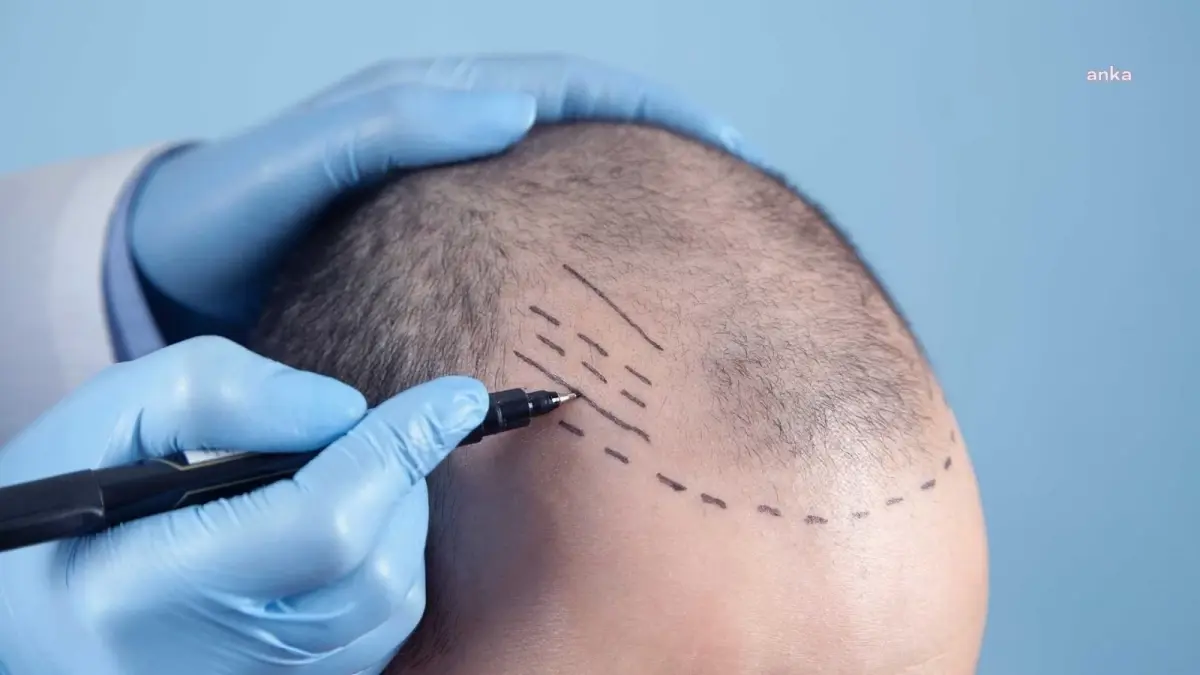
Understanding Hair Loss and Its Impact on Confidence
Hair loss is a multifaceted issue that affects millions of individuals globally, with various causes linked to genetic factors, hormonal changes, and underlying health conditions. Androgenetic alopecia, commonly referred to as male or female pattern baldness, is primarily driven by genetics and age. Hormonal shifts during events such as puberty, pregnancy, or menopause can also instigate significant hair thinning. Additionally, health issues such as thyroid disorders, iron deficiency, and autoimmune diseases can contribute to the complexity of hair loss. Understanding these various factors is crucial for recognizing its impact on confidence and self-image.
The psychological ramifications of hair loss are profound, often leading to decreased self-esteem and hindered social interactions. Research indicates that a significant number of men and women experiencing hair loss report feelings of embarrassment and insecurity. Statistics suggest that nearly 40% of women and 60% of men face some level of hair thinning by the age of 40, highlighting the ubiquity of this concern. Such prevalent occurrences underline why hair restoration techniques, including hair transplants, have gained traction as viable methods for restoring not only hair but also confidence.
The ramifications of hair loss extend beyond physical appearance; they can precipitate anxiety and depression in individuals. The social stigma surrounding baldness can lead to a withdrawal from social scenarios, further exacerbating feelings of isolation. Individuals may experience heightened levels of frustration and sadness as they navigate their hair loss journey. Hence, addressing hair loss through professional channels is more than a cosmetic endeavor; it is often a key factor in regaining one’s sense of self-worth and improving mental health. As the conversation around hair restoration evolves, understanding the intricate ties between hair loss and confidence remains essential.
The Evolution of Hair Transplant Techniques
The history of hair transplant techniques dates back several decades, beginning with rudimentary methods that laid the foundation for modern practices. In the early 1950s, Dr. Norman Orentreich pioneered the concept of hair transplantation, performing the first documented cases using plug grafts, which involved transferring large sections of scalp with hair follicles. While these early methods yielded limited aesthetic results, they marked a significant step forward in addressing hair loss.
As the field evolved, so did the techniques employed in the procedure. The introduction of Follicular Unit Transplantation (FUT) in the 1990s transformed hair restoration practices. This method involves harvesting a strip of scalp from the donor area, from which individual follicular units are extracted and transplanted into balding areas. FUT offered patients a more natural look by mimicking the way hair grows naturally in groups, increasing the overall density of transplanted hair. However, the linear scar resulting from strip harvesting was a notable downside.
Advancements did not stop there; the development of Follicular Unit Extraction (FUE) further refined the hair transplant process. Introduced in the early 2000s, FUE involves the extraction of individual hair follicles directly from the scalp using specialized tools. This technique eliminates the need forlinear incisions, leading to minimal scarring and quicker recovery times. Patients appreciated the lack of visible scars, which significantly increased the appeal of hair transplants. Additionally, ongoing technological innovations, such as robotic systems for follicle extraction, have enhanced precision and efficiency in the procedure.
Today, hair transplant techniques have achieved an impressive level of sophistication, allowing for individualized treatment plans tailored to the specific needs of each patient. These modern methods not only enhance the effectiveness and safety of hair transplants but also significantly improve the natural appearance of results. As a result, more individuals are turning to hair restoration as a viable solution to combat hair loss, ultimately boosting their confidence and self-esteem.
Real-Life Transformations: Success Stories from Hair Transplant Recipients
Hair loss can be a challenging experience for many individuals, affecting not only their appearance but also their self-esteem and overall quality of life. For those who have chosen hair transplant procedures, the journey is often transformative. Many recipients report feeling revitalized and self-assured post-surgery, highlighting the profound impact that hair restoration can have on one’s confidence and social interactions.
Take the case of John, a 42-year-old marketing executive who struggled with thinning hair for over a decade. Facing an increase in self-consciousness during professional events, John decided to pursue a hair transplant. After the procedure, he noticed significant hair regrowth, transforming his appearance. The results not only improved his looks but also restored his confidence in networking situations and enhanced his professional demeanor. John describes feeling “like a new person,” indicating that the change extended beyond just physical attributes.
Similarly, Sarah, a 35-year-old teacher, faced challenges with her thinning hair, which she attributed to genetics and stress. Initially hesitant about undergoing a hair transplant, she took the plunge after extensive research and consultations. Post-surgery, Sarah experienced a remarkable increase in hair density, resulting in a revitalized self-image. She reported that the newfound confidence positively influenced her interactions with colleagues and students, fostering a more engaging teaching environment. Sarah noted, “The change in my appearance has led to a newfound energy that I bring into my classroom every day.”
These testimonials underscore the profound transformations stemming from hair restoration procedures. The stories of individuals like John and Sarah reflect not only a change in appearance but also a resurgence in self-confidence. Their experiences illustrate how hair transplants can serve as a catalyst for personal growth and empowerment, revealing the intricate link between physical appearance and emotional well-being.
Choosing the Right Clinic: What to Look For
When considering a hair transplant, selecting the right clinic is a paramount step towards restoring both your hair and your confidence. The multitude of available clinics can often make this decision daunting. Therefore, it is essential to focus on several key factors to ensure the best possible outcome for your procedure.
First and foremost, evaluate the qualifications of the surgeons performing the procedures. A reputable clinic will feature surgeons who are certified by recognized medical boards and have extensive training in hair restoration techniques. Their experience directly contributes to the success and safety of the procedure, so inquire about their backgrounds and the number of procedures they have successfully conducted.
Next, examine the clinic’s accreditation and affiliations. Accredited clinics adhere to strict health and safety standards, which is crucial for minimizing complications during and after the procedure. Look for clinics associated with professional organizations that specialize in hair restoration, as this often reflects a commitment to ethical and high-quality standards in their practice.
The technology used in hair transactions also plays an important role in achieving favorable results. Advanced techniques such as Follicular Unit Extraction (FUE) and follicular unit transplantation (FUT) have different benefits and drawbacks. Find out whether the clinic employs the latest technology, as this can greatly influence the outcome of the transplant and overall patient satisfaction.
Additionally, patient reviews and testimonials can provide valuable insights into the clinic’s performance. Reading about previous patients’ experiences will help you gauge the quality of care, the results achieved, and the support provided during the recovery process. These insights can be instrumental in making a more informed decision.
Finally, utilize initial consultations to clarify the options available. Many clinics offer personalized assessments that can guide you toward the best procedure tailored to your needs. Ensuring thorough communication with the medical team enhances your understanding of the procedure, allowing you to proceed with confidence.