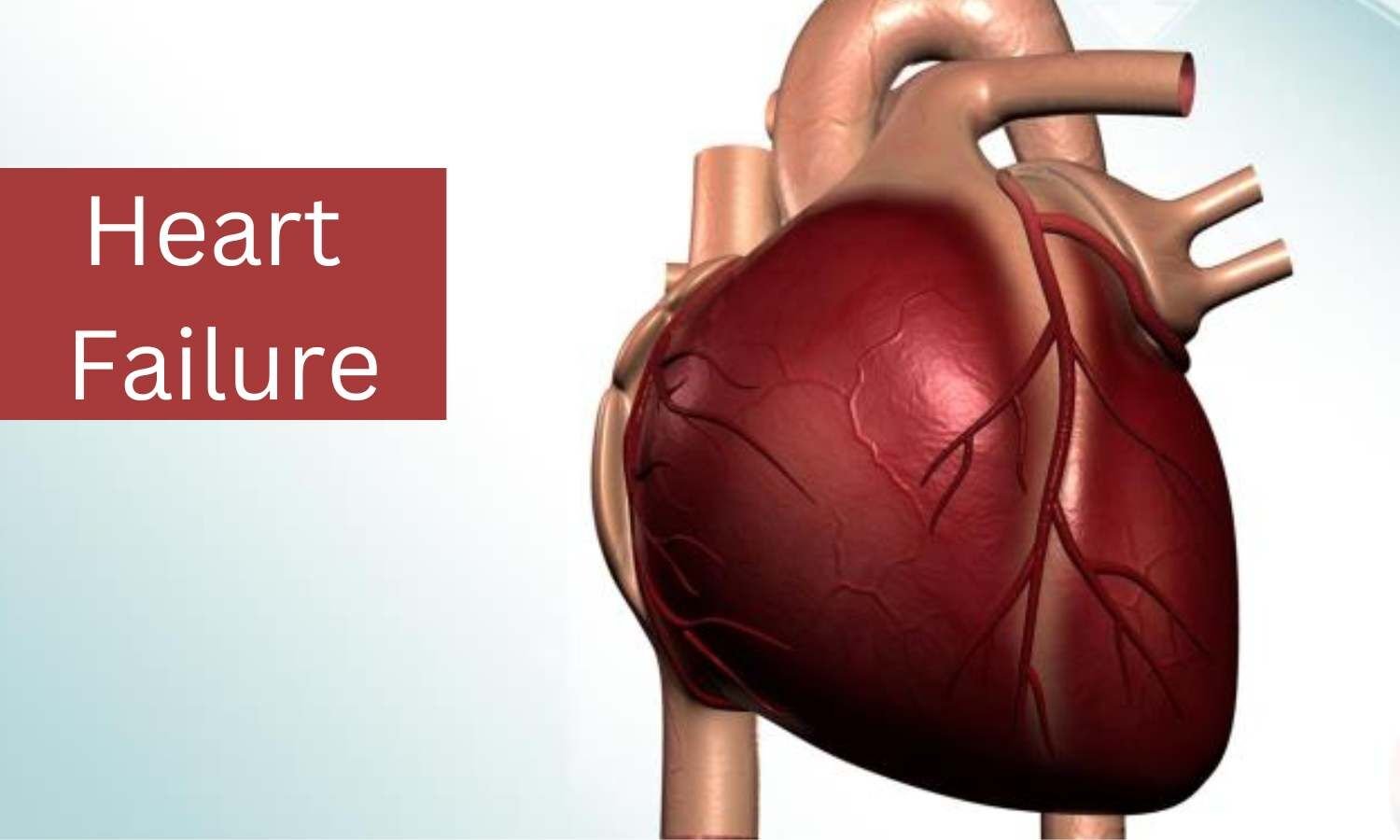
Recognizing the Symptoms of Heart Failure
Heart failure is a complex clinical syndrome characterized by the heart’s inability to pump sufficient blood to meet the body’s demands. Recognizing its symptoms is crucial for early intervention and effective management. The symptoms of heart failure can be subtle and may vary in intensity from one individual to another, which can sometimes lead to delays in seeking medical care.
One of the primary symptoms associated with heart failure is shortness of breath, particularly during physical activities or even at rest. This occurs because fluid builds up in the lungs due to the heart’s decreased efficiency. Additionally, fatigue is a prevalent symptom, often experienced even after minimal exertion, resulting from inadequate oxygen supply to body tissues. Individuals may also notice swelling in the legs, ankles, or abdomen caused by fluid retention. This condition is medically referred to as edema and can significantly affect mobility.
Another common symptom includes palpitations or a rapid heartbeat, which can be alarming for many. These sensations may signal that the heart is working harder to pump blood, potentially indicating an underlying issue. It is important to note that symptoms can vary widely; for instance, some individuals may experience persistent cough or wheezing, while others might report a lack of appetite or nausea.
Statistics indicate that heart failure is a prevalent condition, affecting millions worldwide. Early recognition of these symptoms is imperative, as timely medical intervention can lead to better outcomes. If an individual experiences any combination of the aforementioned symptoms, particularly if they worsen or new ones develop, it is essential to seek medical advice promptly. Recognizing the signs of heart failure can ultimately be lifesaving, underscoring the importance of awareness and education regarding this serious health condition.
Causes and Risk Factors for Heart Failure
Heart failure is a complex health issue that results from a variety of underlying causes and risk factors. Understanding these elements is crucial for effective management and prevention. One of the primary causes of heart failure is the presence of cardiovascular diseases, such as coronary artery disease and arrhythmias, which can significantly impair the heart’s ability to pump blood efficiently. These conditions often lead to damage of the heart muscle, thereby exacerbating the risk of heart failure.
High blood pressure, or hypertension, is another critical risk factor associated with heart failure. When blood pressure remains elevated over time, it causes the heart to work harder than normal, leading to hypertrophy (thickening) of the heart muscle. This strain can ultimately result in diminished heart function and subsequent failure. Additionally, diabetes mellitus is a significant contributor; the metabolic disorder leads to various cardiovascular complications and can increase the risk of heart disease and failure substantially.
Obesity is yet another crucial factor that cannot be overlooked. Excess weight places additional stress on the heart, raising the likelihood of developing heart failure. The excess fatty tissue releases inflammatory substances that may disrupt cardiac function further. Lifestyle choices also play an essential role in the likelihood of developing heart failure. Smoking is known to damage blood vessels, reduce oxygen flow, and increase blood pressure, creating adverse conditions for heart health. Likewise, a sedentary lifestyle contributes to many of the factors that lead to heart failure, including obesity and cardiovascular diseases.
An awareness of these causes and risk factors underscores the importance of proactive measures in managing heart health. By adopting healthier lifestyle habits and addressing clinical issues such as hypertension, diabetes, and obesity, individuals can markedly reduce their risk of heart failure and improve their overall well-being.
Management Strategies for Heart Failure
Heart failure is a chronic condition that necessitates a multifaceted management approach aimed at enhancing the quality of life and minimizing adverse outcomes. The foundation of effective heart failure management lies in both lifestyle modifications and appropriate medical treatments. One of the essential components of managing heart failure is dietary change. A heart-healthy diet typically emphasizes fruits, vegetables, whole grains, lean proteins, and low-fat dairy while reducing salt intake to prevent fluid retention, which can exacerbate symptoms.
Another significant aspect is weight management. Regular monitoring of body weight can help individuals detect sudden changes in fluid retention, prompting timely medical advice. It is advisable for patients to weigh themselves daily and report any marked increase to their healthcare provider. Furthermore, an individualized exercise regimen can greatly benefit those with heart failure. Engaging in physical activity, as recommended by a healthcare professional, not only improves cardiovascular stamina but can also alleviate symptoms and enhance overall well-being.
In parallel with lifestyle adjustments, medication plays a critical role in the management of heart failure. Commonly prescribed medications include ACE inhibitors, beta-blockers, diuretics, and aldosterone antagonists, all of which help improve heart function and alleviate symptoms. Adhering to the prescribed medication regimen is crucial; thus, patients are encouraged to maintain clear communication with their healthcare providers regarding any side effects or challenges they experience with their treatment.
Moreover, regular monitoring through scheduled follow-up visits can help healthcare professionals assess the effectiveness of the management plan and make necessary adjustments. Collaborative care models, which involve patients actively participating in their health management alongside medical experts, are increasingly recognized as vital for success. Educating patients about their condition and involving them in decision-making fosters a sense of control, ultimately improving adherence to treatment plans and quality of life for individuals living with heart failure.
Living with Heart Failure: Support and Resources
Managing heart failure can be an emotionally and psychologically challenging journey, characterized by uncertainty and lifestyle changes. Therefore, building a strong support system is essential for individuals affected by this condition. Family, friends, and healthcare providers play a pivotal role in providing encouragement, understanding, and assistance. Engaging loved ones can help foster a sense of community, reducing feelings of isolation often experienced by those living with heart failure.
Support groups specifically tailored for heart failure patients are invaluable resources that provide a platform for sharing experiences and coping strategies. These groups foster an environment of empathy and understanding, often leading to healthier emotional states. Connecting with others undergoing similar challenges can greatly enhance resilience and improve one’s mental health. Participants can gain insights into effective management techniques and emotional coping strategies, learning from both the triumphs and challenges faced by their peers.
Beyond personal relationships and community support, several reputable organizations offer additional resources for individuals living with heart failure. Websites such as the American Heart Association and the Heart Failure Society of America provide helpful information, educational materials, and access to support networks. These organizations often feature forums and chat groups where individuals can interact with others, ask questions, and seek advice.
Implementing coping strategies is crucial for maintaining a positive outlook while managing a chronic condition. Techniques such as mindfulness, journaling, and engaging in physical activities, appropriate to one’s health status, can enhance emotional well-being. Additionally, seeking professional counseling or therapy may be beneficial for addressing any anxiety or depression related to the diagnosis. With the right support and resources, individuals living with heart failure can cultivate a fulfilling life while navigating the challenges of their condition.