What is Hemophilia?
Hemophilia is a genetic bleeding disorder characterized by the inability of blood to clot effectively, which can lead to excessive bleeding from injuries or spontaneous bleeding without clear cause. This condition arises due to deficiencies in specific clotting factors, which are proteins in the blood essential for coagulation. Hemophilia primarily affects males, as it is an X-linked recessive disorder. This means that the gene responsible for hemophilia is located on the X chromosome, and males, having only one X chromosome, are more severely affected while females can be carriers of the gene with milder symptoms.
There are three main types of hemophilia: Hemophilia A, Hemophilia B, and Hemophilia C. Hemophilia A, the most common form, results from a deficiency of factor VIII. Approximately 1 in 5,000 male births are affected by this type, making it the most prevalent among the hemophilias. Hemophilia B is less common and occurs due to a deficiency of factor IX, affecting about 1 in 30,000 male births. Hemophilia C, on the other hand, is caused by a deficiency of factor XI and typically affects both males and females, with a lower incidence overall.
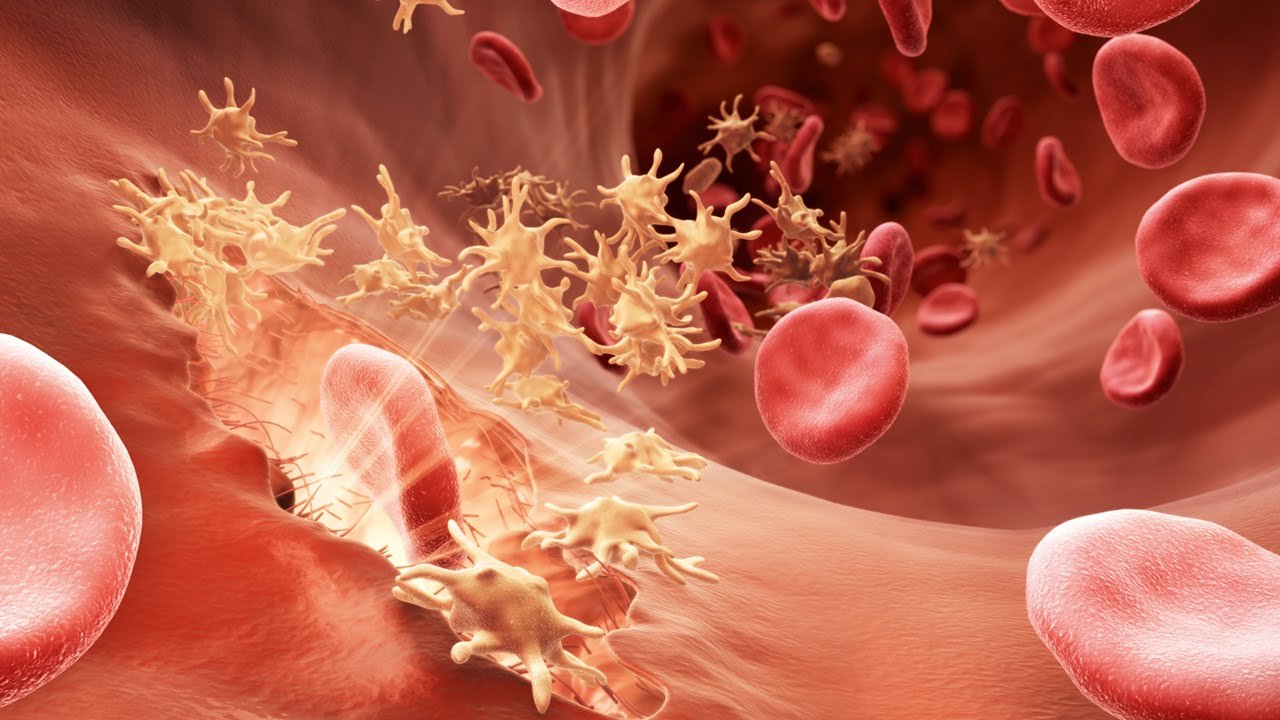
The underlying biological mechanism of hemophilia revolves around the body’s impaired ability to form fibrin, a protein that creates a mesh that reinforces blood clots. When a person with hemophilia sustains an injury or experiences internal bleeding, the lack of sufficient clotting factors hampers the clotting process, leading to prolonged or excessive bleeding. Understanding hemophilia is crucial not only for recognizing its symptoms but also for devising effective management strategies that can help individuals lead fulfilling lives despite the challenges posed by this condition.
Common Symptoms of Hemophilia
Hemophilia is a genetic bleeding disorder characterized by the deficiency of specific clotting factors in the blood, leading to a range of symptoms primarily associated with abnormal bleeding. One of the most notable symptoms is excessive bleeding from cuts or injuries, which can be more prolonged than in individuals without the disorder. This excessive bleeding can complicate even minor situations, necessitating immediate medical attention to manage wounds effectively and prevent complications.
Another common symptom is spontaneous bruising, which occurs without an obvious cause. Individuals with hemophilia may notice unexpected bruises appearing on their bodies, especially in areas where minor trauma has occurred. These bruises can vary in size and often take longer to heal, resulting in additional discomfort. The tendency to bruise easily is primarily due to the weak state of the blood vessels and the insufficient clotting response.
Joint pain and swelling are also prevalent among those affected by hemophilia. This symptom often arises from internal bleeding within joints, referred to as hemarthrosis. This bleeding can lead to inflammation, causing pain, stiffness, and decreased mobility. Over time, if left unmanaged, repeated bleeding episodes can result in chronic joint damage, significantly impacting the quality of life of those affected. It is important to note that the severity of these symptoms varies depending on the type and severity of hemophilia, as well as individual patient factors.
Recognizing the symptoms of hemophilia early is crucial for effective management and timely intervention. Patients and caregivers should remain vigilant for these signs, as the ability to respond quickly can make a significant difference in treatment outcomes. Prompt recognition can help mitigate complications and improve the quality of life for individuals living with this disorder.
Managing Hemophilia: Treatment Options
Hemophilia, a genetic bleeding disorder, requires meticulous treatment strategies to ensure proper management and enhance the quality of life for those affected. One of the primary treatment options for hemophilia is clotting factor replacement therapy. This therapy involves administering clotting factor infusions to prevent or control bleeding episodes. Depending on the severity of the condition, infusions may be needed on a regular basis or as required during bleeding events. Advances in this area have led to the development of long-acting factor concentrates, which enable patients to experience longer intervals between infusions, ultimately reducing the frequency of treatment.
Preventative treatment, also known as prophylaxis, plays a critical role in managing hemophilia by minimizing the occurrence of spontaneous bleeds. By establishing a routine of regular clotting factor infusions, individuals can maintain sufficient levels of the necessary clotting proteins in the blood, thus preventing complications. Such proactive measures can significantly improve quality of life and facilitate participation in everyday activities, including sports.
In recent years, there have been advancements in hemophilia treatment, notably the emergence of gene therapy. This innovative approach aims to address the root cause of hemophilia by introducing a correct copy of the defective gene into the patient’s cells. Initial clinical trials have shown promising results, offering hope for a more permanent solution to managing the disorder. However, this treatment is still in the developmental stages and requires further exploration and validation.
In addition to medical treatments, lifestyle modifications are essential aspects of hemophilia management. Regular exercise, tailored to individual capabilities, can strengthen muscles and improve overall physical health, which may help mitigate the risks associated with bleeding episodes. Implementing safety precautions during various activities, such as using protective gear while playing sports, is also vital in preventing injuries that could lead to bleeding. Together, these strategies contribute significantly to the effective management of hemophilia.
Living with Hemophilia: Tips and Support
Living with hemophilia presents various challenges, necessitating a multidimensional approach for effective daily management. Psychosocial support plays a significant role in the well-being of individuals diagnosed with this condition. One of the first steps in managing hemophilia is to educate oneself about the disorder. Comprehensive knowledge regarding treatment options, potential complications, and preventive measures can significantly enhance an individual’s ability to cope. Numerous online resources and educational materials are available through reputable organizations specializing in bleeding disorders.
Building a robust support system is essential for individuals with hemophilia and their families. Connecting with others who share similar experiences can mitigate feelings of isolation. Support groups, either in-person or online, facilitate a shared understanding of the hurdles associated with hemophilia, providing a platform for emotional expression and practical advice. Family members and friends should also be encouraged to participate, as they play a crucial role in daily life and can offer invaluable support.
Compliance with treatment regimens is vital in managing hemophilia effectively. Individuals must understand the importance of adhering to prescribed therapies and regular medical appointments. Engaging with healthcare providers frequently ensures that patients receive tailored advice regarding changes in treatment or lifestyle modifications that may arise. Moreover, healthcare professionals can provide insights regarding physical activities that are safe and beneficial for those living with hemophilia.
Community organizations greatly contribute to the support network for those affected by hemophilia. They often offer resources such as workshops, advocacy, and access to specialized healthcare providers. Prioritizing mental health is equally important, as maintaining emotional well-being can significantly influence a person’s quality of life. By fostering resilience, seeking support, and adhering to treatment plans, individuals with hemophilia can empower themselves to lead fulfilling lives.