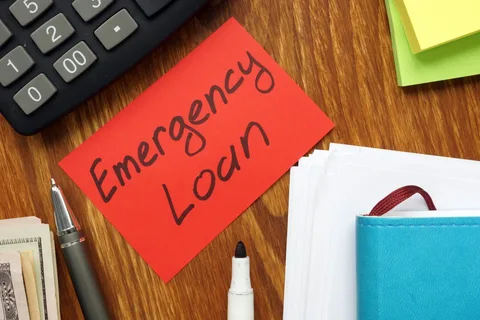
Understanding Emergency Loans
Emergency loans are a financial solution designed to provide quick access to funds during unforeseen circumstances. Unlike traditional loans, which often encompass a range of purposes such as home purchases or education expenses, emergency loans exist specifically for urgent situations that cannot be ignored. Their primary purpose is to help individuals navigate financial crises, enabling them to cover necessary expenses without undergoing extensive processing times common with standard lending options.
There are several types of emergency loans available, which can be broadly classified into personal loans, payday loans, and credit lines. Personal loans typically offer higher loan amounts with more favorable repayment terms, making them suitable for substantial one-time expenses, such as medical emergencies or urgent home repairs. Conversely, payday loans are smaller, short-term loans typically due on the borrower’s next payday and often come with higher interest rates, serving individuals who require immediate cash but may not have alternative avenues. Credit lines are also available, providing flexibility for individuals to borrow as needed, up to an established limit, which can be particularly useful for ongoing or recurring emergencies.
Many circumstances can lead individuals to seek an emergency loan, including but not limited to significant medical expenses, unexpected car repairs, or unforeseen bills. Such situations may arise due to accidents, natural disasters, or sudden job losses, leaving individuals financially vulnerable. In these instances, a timely emergency loan can be the difference between managing the situation effectively and facing severe financial repercussions.
By understanding the different types of emergency loans and their respective applications, individuals can make informed decisions on when to consider this option as a viable solution to cope with financial instability.
Preparing for the Application Process
Applying for an emergency loan can be a daunting task, but with the right preparation, the process can become significantly more manageable. To start, it is essential to gather all necessary financial documents that may be required during the application. This includes recent pay stubs, bank statements, tax returns, and any other relevant financial remarks that reflect your current financial situation. Having these documents organized and readily available can help streamline the application process and may even expedite loan approval.
Next, checking your credit score is a crucial step in preparing to apply for an emergency loan. A good credit score can facilitate better loan terms, while a lower score might limit your options or lead to higher interest rates. It is advisable to review your credit report for any inaccuracies and to understand where you stand financially. If your score needs improvement, consider taking some time to enhance it before applying, if possible. However, understanding your financial needs is equally important. Determine how much money you require and the purpose of the loan to avoid borrowing more than necessary, which can lead to undue financial strain.
Researching different lenders can also significantly impact your borrowing experience. The terms and conditions of loans can vary widely, so it is essential to compare interest rates, repayment periods, and any additional fees involved. Take the time to review customer feedback about lenders to ensure you find a reliable partner for your financial needs. Lastly, having a personal budget is a critical aspect of preparing for this important financial decision. Understanding your repayment capability and creating a budget can help you stay on track and prevent financial stress post-loan approval. Overall, preparation will arm you with the confidence needed to approach the emergency loan application process successfully.
Finding the Right Lender
When seeking an emergency loan, it is crucial to identify the right lender that aligns with your financial needs and circumstances. There are several options available, including credit unions, online lenders, and traditional banks, each with its own set of advantages and disadvantages. Understanding these can help you make a well-informed choice.
Credit unions often provide favorable loan terms and lower interest rates compared to other lending institutions. They are member-focused organizations that prioritize customer service and may offer more flexible payment options. However, membership eligibility might be a requirement, which could limit options for some potential borrowers.
Online lenders have gained popularity in recent years due to their convenience and streamlined application processes. They often provide quick approvals and access to funds, which is ideal during emergencies. While they can be an excellent option for fast cash, borrowers should carefully examine the interest rates and fees attached, as some online lenders have higher costs associated with their loans.
Traditional banks represent another reliable avenue for obtaining emergency loans. They typically offer established reputations and customer service, along with the possibility of personalized financial advice. However, traditional banks may have stricter lending requirements, which could pose a challenge for individuals with less-than-perfect credit histories.
When comparing lenders, it is essential to evaluate loan terms, interest rates, and service quality. Look for red flags, such as hidden fees or predatory lending practices, which can lead to financial complications down the road. Online reviews and customer testimonials can provide valuable insights into a lender’s reputation, helping you avoid potential pitfalls. By conducting thorough research and considering all options, you can select a lender that best meets your emergency loan requirements.
What to Expect After Approval
Securing an emergency loan is often a crucial step during challenging financial situations. Once you receive approval, it is essential to understand the subsequent procedures. Typically, borrowers can expect the funds to be disbursed within a few business days, depending on the lender’s policies. Some lenders may offer same-day funding, while others could take up to a week. It is prudent to clarify the expected timeline for fund distribution once you are closed on the loan agreement.
Upon receiving your emergency loan, it is vital to have a clear repayment plan. Most lenders provide a repayment schedule that outlines the due dates and amounts for each installment. Generally, these loans require repayment in a series of scheduled installments over a specified term, which can vary based on the loan structure. It is crucial to meet these payment obligations to maintain a good credit score and avoid potential penalties, which may include late fees or a higher interest rate on the remaining balance.
Moreover, defaulting on an emergency loan can lead to severe consequences such as damaged credit ratings and possible legal action from lenders. Therefore, it is important to take proactive steps to manage your debt effectively. Consider setting reminders for payment dates or even automating payments to avoid missing due dates. To further enhance your financial situation post-loan, aim to build a budget that prioritizes emergency fund savings, ensuring you have a safety net for any future unforeseen events.
In conclusion, understanding what to expect after securing an emergency loan can help you navigate the repayment phase with less stress. Recognizing the importance of timely repayments and adopting strong debt management strategies is essential for maintaining financial stability moving forward.