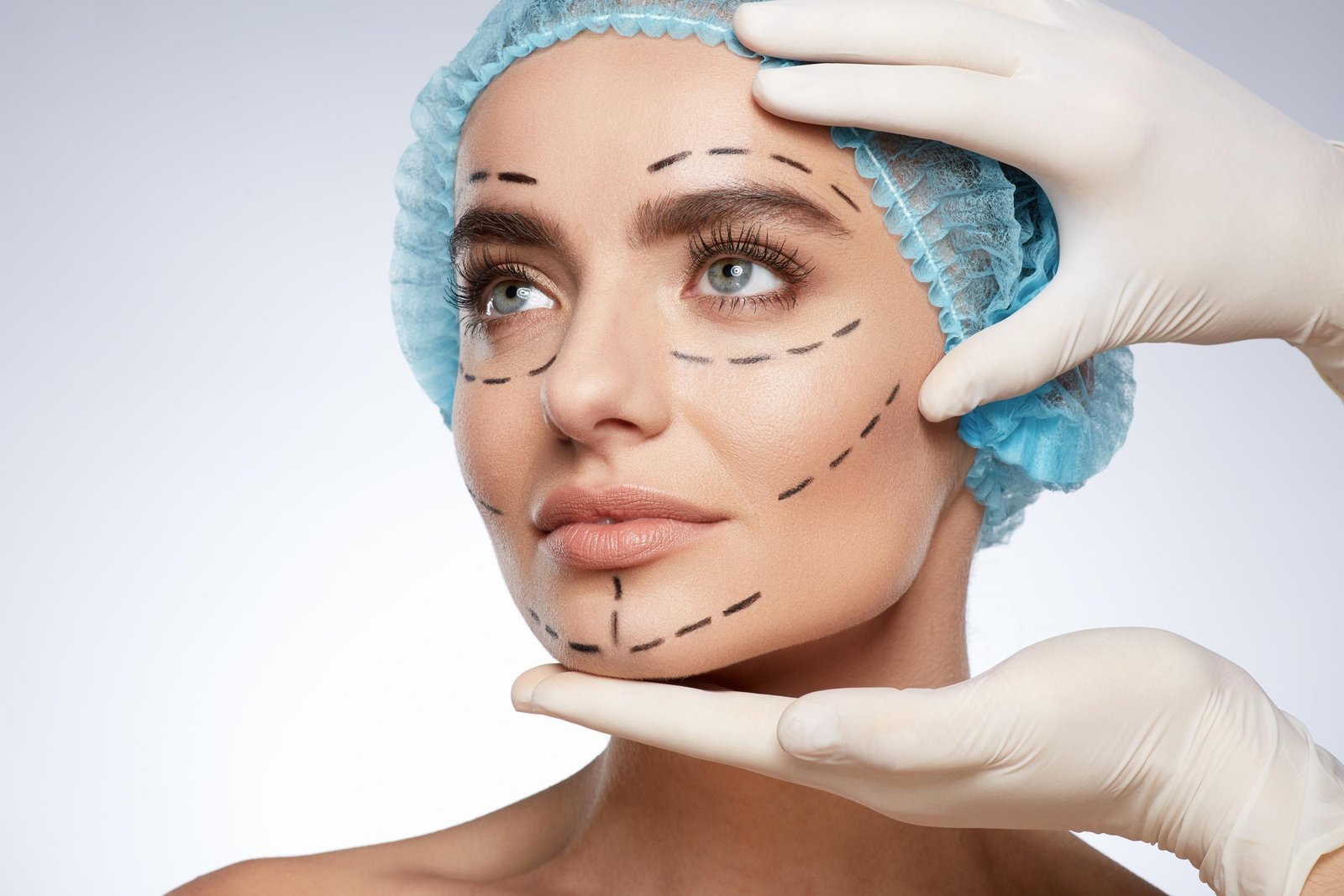
Historical Context of Plastic Surgery
Plastic surgery, a term derived from the Greek word “plastikos,” meaning to mold or shape, has a rich and diverse history that spans many civilizations and epochs. The origins of reconstructive surgery can be traced back to ancient India, where texts such as the Sushruta Samhita, dating back to 600 BCE, documented several surgical techniques for repairing injuries and deformities. Sushruta, often referred to as the “Father of Surgery,” laid the groundwork for reconstructive practices that would influence future generations.
Throughout antiquity, the pursuit of beauty and the necessity of reconstruction were intertwined processes. For example, the Romans utilized surgical techniques for both functional and aesthetic purposes, as evidenced by various writings from Galen, a prominent physician in the Roman Empire. His contributions not only showcased the the surgical interventions available, but also reflected the societal ideals of beauty during that era.
In the medieval period, advances were relatively scarce, as religious and cultural beliefs often hindered surgical practices. However, the Renaissance ignited a profound transformation in the approach to anatomy and surgery. Pioneering figures like Leonardo da Vinci and Andrea Vesalius significantly advanced the understanding of the human body, setting the stage for modern surgical techniques.
The modern era of plastic surgery began to take shape in the early 20th century, particularly in response to World War I, when countless soldiers required reconstructive procedures for war-related injuries. Surgeons like Sir Harold Gillies became prominent figures, developing innovative techniques for facial reconstructive surgery. These developments not only altered the field but also influenced societal perceptions of beauty, reconstructing not just body parts, but lives and identities.
Today, plastic surgery encompasses both reconstructive and aesthetic procedures, reflecting the complex interplay of societal values around beauty and function. The evolution of techniques and understanding of the human body has led to significant advancements, thus facilitating more refined procedures that address individual needs and aspirations.
The Role of Media and Technology in Shaping Beauty Standards
In contemporary society, media and technology play a pivotal role in shaping beauty standards, ultimately influencing the perceptions of attractiveness and desirability. The landscape of beauty has been transformed by various mediums, including television, film, and social media platforms, which have contributed to the normalization of plastic surgery among different demographics. Celebrities and influencers often utilize these platforms to present idealized versions of themselves, while filtered and edited images create a perception that specific looks are achievable and desirable.
The impact of social media, in particular, has been profound. Platforms such as Instagram and TikTok allow users to showcase their lives and appearances, leading to a constant comparison among individuals. This environment encourages the pursuit of visually enhanced features, driving many to seek out cosmetic procedures to align themselves with the beauty norms portrayed online. Moreover, influencers and their endorsements of various plastic surgery procedures amplify demand, making surgical enhancements seem accessible and acceptable.
Additionally, advancements in technology have made information regarding plastic surgery procedures more readily available. Online platforms enable prospective patients to research, consult, and prepare for surgeries from the comfort of their homes, reducing barriers to access. Remote consultations and virtual reality tools further contribute to the accessibility of these procedures, transforming how individuals approach and perceive aesthetic enhancements. As a result, the interplay between modern technology and media not only influences collective beauty ideals but also reinforces social pressures, compelling individuals to consider plastic surgery as a viable means of self-improvement.
In conclusion, media and technology significantly shape contemporary beauty standards through their influence on societal perceptions and individual choices. As aesthetic norms evolve, the role of plastic surgery in achieving these ideals continues to expand in our modern world.
Psychological Impacts of Plastic Surgery
The decision to undergo plastic surgery is often multifaceted, deeply intertwined with an individual’s psychological state and societal influences. A primary motivation for many is body dysmorphia, a mental health condition wherein individuals possess a distorted perception of their physical appearance. Those affected may perceive flaws that are insignificant or even nonexistent, driving them to seek surgical interventions in hopes of rectifying perceived imperfections. This symptomatology can lead to a cyclical pattern, where the individual may never feel satisfied, regardless of the surgical outcomes.
In contrast to harmful motivations, many individuals pursue plastic surgery as a genuine form of self-improvement. For some, the motivation stems from a desire to enhance self-esteem or confidence, which, when achieved, can lead to a notable improvement in quality of life. Studies indicate that many patients experience significant psychological benefits following aesthetically driven procedures, expressing a greater sense of well-being and self-acceptance. As a result, the transformative power of plastic surgery extends beyond physical changes, facilitating a more positive self-image and a potential enhancement in social interactions.
<phowever, a=”” additionally,=”” anxiety.=”” appearance=”” are=”” arise=”” as=”” associated=”” beauty=”” body,=”” can=”” complications=”” depression=”” dissatisfaction=”” downsides=”” emphasizes=”” expectations=”” experience=”” feelings=”” from=”” health=”” implications.=”” in=”” inadequacy.<pin as=”” be=”” body=”” cannot=”” complex.=”” conclusion,=”” empowering=”” encompasses=”” essential=”” experience=”” feelings=”” for=”” guiding=”” healthcare=”” image=”” impacts=”” is=”” journey.
Future Trends in Plastic Surgery
The landscape of plastic surgery is ever-evolving, shaped significantly by advancements in technology and changing societal perspectives. Emerging trends suggest a future where minimally invasive techniques will become increasingly prevalent. These procedures, which offer less downtime and reduced risk of complications, allow patients to enhance their appearance without the extensive recovery associated with traditional surgical methods. The demand for such solutions reflects a growing preference for safety and convenience among consumers.
Another significant trend is the integration of regenerative medicine into plastic surgery. Techniques such as stem cell therapy and tissue engineering hold the promise of improved healing and more natural-looking results. By encouraging the body to regenerate its own tissue, regenerative medicine could revolutionize procedures, leading to outcomes that are both aesthetically pleasing and functionally superior. This focus on biological methods may also resonate well with a society increasingly interested in sustainability and organic solutions.
Artificial intelligence (AI) is poised to play a transformative role in surgical planning and execution. By analyzing vast amounts of data, AI can assist surgeons in predicting outcomes, customizing procedures to individual patient needs, and improving precision during surgery. As practitioners incorporate AI into their workflows, the consistency and safety of surgeries may improve, fostering greater trust in the field.
As plastic surgery continues to evolve, societal attitudes toward these interventions will also likely shift. The inclusivity of beauty standards may expand, with a broader acceptance of diverse aesthetics. This shift could pave the way for more individuals to seek procedures without the stigma that has often surrounded them. However, with these advancements will come ethical considerations—practitioners will need to navigate the balance between meeting patient desires and promoting realistic expectations. This multifaceted evolution in the field promises a future rich with possibilities and challenges, inviting thoughtful dialogue among stakeholders.