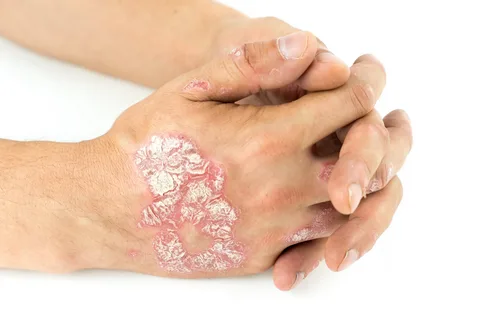
What is Plaque Psoriasis?
Plaque psoriasis is a chronic autoimmune skin condition characterized by the rapid turnover of skin cells, leading to the formation of raised, red patches adorned with silvery scales. This commonly occurring variant of psoriasis affects an estimated 2-3% of the global population, making it one of the most prevalent forms of the disease. Unlike other types of psoriasis, such as guttate or inverse psoriasis, plaque psoriasis manifests as thickened plaques that can appear on various parts of the body, including elbows, knees, scalp, and lower back.
The autoimmune nature of plaque psoriasis indicates that the immune system mistakenly attacks healthy skin cells, accelerating their production cycle. In typical circumstances, skin cells renew within a month, but in individuals with plaque psoriasis, this process occurs in just a few days. Consequently, the accumulation of excess cells leads to inflammation and the development of plaques. This overactive immune response can be triggered by genetic, environmental, or lifestyle factors, showcasing the complexity of the condition.
The presence of plaque psoriasis can significantly impact an individual’s quality of life, extending beyond mere cosmetic concerns. Those affected often experience discomfort, itching, and pain due to the lesions, which can lead to psychological distress, anxiety, and low self-esteem. Additionally, individuals with plaque psoriasis are at an increased risk for several co-morbidities, including psoriatic arthritis, cardiovascular diseases, and metabolic syndrome. Acknowledging these associations is crucial for effective management and treatment strategies, as comprehensive care approaches can address not only the skin manifestations but also the overall physical and mental well-being of those living with the condition.
Recognizing the Symptoms of Plaque Psoriasis
Plaque psoriasis is a chronic autoimmune condition characterized by distinct symptoms that vary in severity among individuals. The hallmark sign of this condition is the presence of red patches of skin covered with thick, silvery scales, commonly referred to as plaques. These plaques can develop on various parts of the body, including the elbows, knees, scalp, and lower back. The appearance of these plaques can range from small spots of scaling to large, red areas that cover significant portions of the skin.
Additionally, individuals with plaque psoriasis often experience skin redness and irritation surrounding the plaques, which can exacerbate feelings of discomfort. The scaling associated with plaque psoriasis typically results from an accelerated skin cell turnover rate, leading to the accumulation of dead skin cells on the skin’s surface. This can contribute to an itchy sensation, making the condition even more bothersome for those affected.
The severity of symptoms can fluctuate, with some individuals experiencing mild discomfort and others facing significantly more severe manifestations that can hinder daily activities. Triggers for flare-ups can be diverse and may include factors such as emotional stress, infections, changes in weather conditions, and specific lifestyle choices, including smoking and excessive alcohol consumption. Recognizing these triggers can assist individuals in managing their condition more effectively and potentially reducing the frequency of flare-ups.
Overall, understanding the symptoms associated with plaque psoriasis is crucial for effective management and treatment. By being aware of how and when symptoms may change, individuals can take proactive steps to alleviate discomfort and seek appropriate medical advice when necessary. Knowledge of plaque psoriasis symptoms is an essential step in navigating the complexities of this condition.
Effective Management Strategies for Plaque Psoriasis
Managing plaque psoriasis requires a comprehensive approach that encompasses both conventional medical treatments and lifestyle modifications. Topical treatments play a significant role in addressing the symptoms of plaque psoriasis. Corticosteroids are among the most frequently prescribed topical medications, as they help to reduce inflammation and alleviate itching. These corticosteroids are available in various strengths, allowing for tailored treatment based on the severity of the condition. Vitamin D analogs, such as calcipotriene, are another effective topical option. They work by slowing skin cell growth and are often used in conjunction with steroid therapies to maximize results.
For individuals with more severe plaque psoriasis, systemic treatments may be necessary. Traditional systemic medications include methotrexate and cyclosporine, which can suppress the immune system to reduce the frequency and severity of flare-ups. More recently, biologics have emerged as effective systemic treatments. These specialized medications target specific components of the immune system, providing a more precise intervention for managing plaque psoriasis. Regular monitoring by a healthcare provider is essential when using either traditional or biologic medications to ensure efficacy and address potential side effects.
In addition to these medical treatments, incorporating alternative and complementary therapies can provide additional relief. Practices such as acupuncture, meditation, and yoga may assist in managing stress, which is a known trigger for psoriasis flare-ups. Furthermore, dietary modifications may contribute to better skin health. A diet rich in omega-3 fatty acids, fruits, and vegetables can be beneficial. Establishing a personalized treatment plan in collaboration with a healthcare provider is crucial for optimizing management strategies. This tailored approach will not only address psoriasis symptoms but also enhance overall quality of life.
Living with Plaque Psoriasis: Support and Resources
Living with plaque psoriasis can impose significant emotional and psychological burdens on individuals affected by the condition. The visible nature of the plaques can lead to social stigma, resulting in feelings of embarrassment and isolation. Many individuals may experience anxiety or depression as they navigate their diagnosis and its impact on their daily lives. It is crucial for those affected to understand that they are not alone in this journey. Engaging with support groups can foster a sense of community, allowing individuals to share experiences and coping strategies.
Support groups, whether in-person or online, serve as valuable resources for individuals living with plaque psoriasis. They provide a safe space for patients to discuss their challenges and triumphs, offering encouragement and understanding. Many online platforms host forums and discussion groups specifically designed for psoriasis sufferers, promoting connection with others undergoing similar experiences. These interactions can help alleviate feelings of isolation and empower individuals to share their personal stories and coping mechanisms.
Several organizations are dedicated to psoriasis awareness and advocacy, providing educational resources to empower individuals and their families. Websites such as the National Psoriasis Foundation offer a wealth of information on managing symptoms, effective treatments, and the latest research about plaque psoriasis. Additionally, these organizations often host events, webinars, and local meetups that encourage participation and community building.
In coping with the stress associated with living with plaque psoriasis, individuals may find it helpful to explore mindfulness practices or relaxation techniques, such as yoga or meditation. These methods not only promote emotional well-being but also help manage the physical symptoms of the condition. By leveraging both support networks and available resources, individuals can develop coping strategies to deal with the psychosocial impacts of plaque psoriasis effectively. Connecting with others who understand the journey fosters resilience and promotes overall mental health in managing this chronic condition.