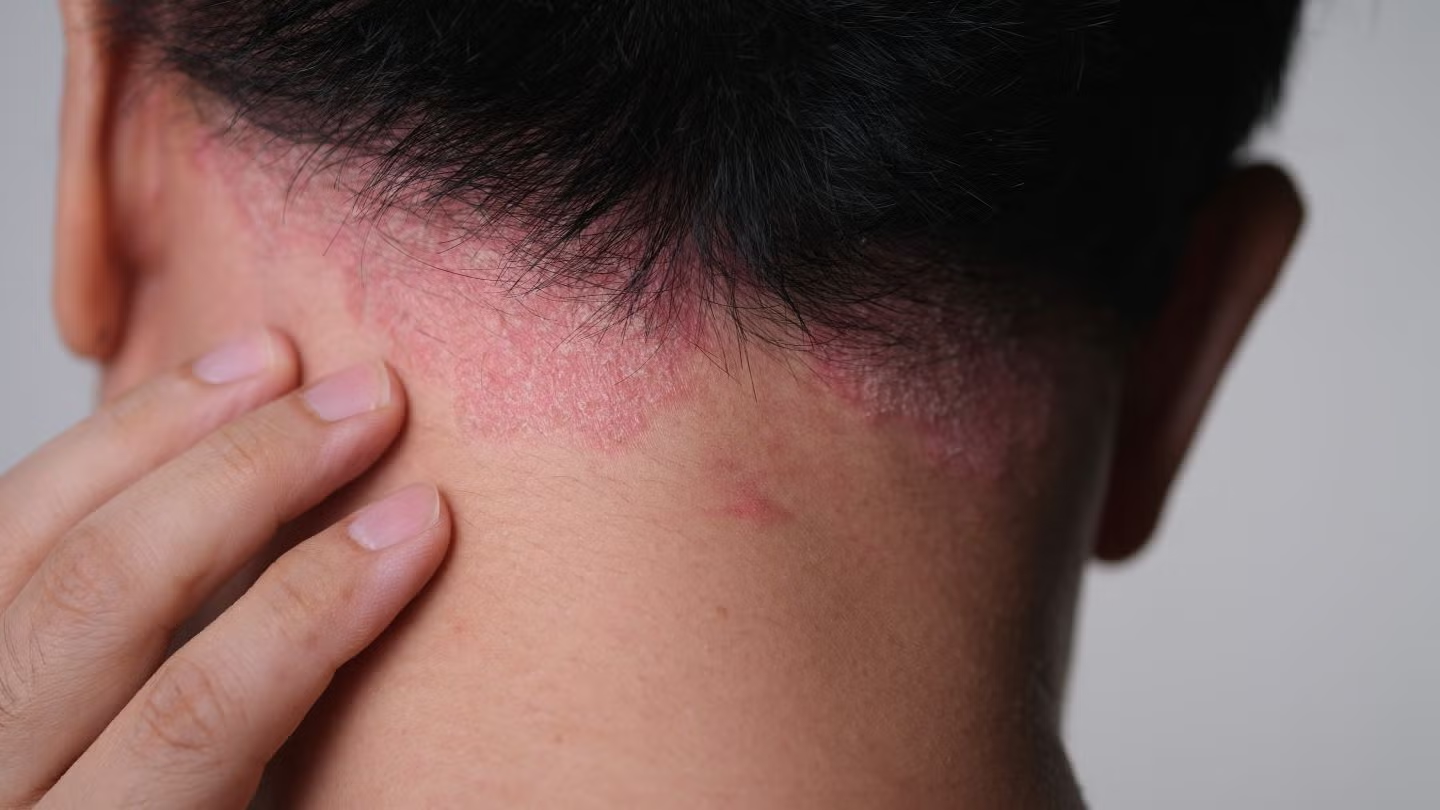
What is Scalp Psoriasis?
Scalp psoriasis is a chronic autoimmune skin condition characterized by the rapid turnover of skin cells on the scalp. It is a variant of psoriasis, which primarily affects the skin, and can manifest as red, scaly patches, itching, and flaking. While it shares some features with other forms of psoriasis, scalp psoriasis can present unique challenges due to the visibility and sensitivity of the scalp area.
The primary cause of scalp psoriasis is an abnormal immune response that triggers inflammation. This dysfunction leads to an accelerated rate of skin cell production, causing cells to build up on the surface rather than shed off naturally. This buildup forms thick, silvery-white scales that are often itchy and bothersome. Scalp psoriasis may occur alone or in conjunction with psoriasis on other areas of the body, reflecting its interlinked nature with this broader skin disorder.
Scalp psoriasis is prevalent across various demographics, affecting individuals of all ages and backgrounds. However, it tends to manifest most frequently in adults between the ages of 15 and 35. It is known to have a genetic component, with a higher likelihood of occurrence in individuals who have a family history of psoriasis. Environmental factors, such as stress, infections, and skin injuries, can also trigger or exacerbate flare-ups, underscoring the complex interplay between genetics and external influences.
With an understanding of the pathophysiology of scalp psoriasis, healthcare providers can better assist patients in managing this condition. The immune system’s dysfunction and its consequent effects on skin cells highlight the necessity of targeted treatment strategies to relieve symptoms and improve the quality of life for affected individuals.
Common Symptoms of Scalp Psoriasis
Scalp psoriasis is a prevalent skin condition characterized by distinctive symptoms that can significantly affect an individual’s daily life. One of the most noticeable signs is the appearance of red patches on the scalp, often covered with thick, silvery scales. These plaques can vary in size and may extend beyond the hairline, making treatment challenging and often visible to others.
Itching is another common symptom associated with scalp psoriasis, which can range from mild irritation to severe discomfort. Individuals often report that the itchiness can be relentless, leading them to scratch the affected areas. This scratching may lead to further skin irritation, increased inflammation, and the potential for secondary infections. Moreover, the burning sensations experienced by some individuals can exacerbate the discomfort, creating a cycle of irritation.
Another symptom that many individuals with scalp psoriasis face is hair loss. This can occur for a variety of reasons, including the inflammation causing hair follicles to enter a resting phase or due to the physical damage inflicted by scratching. The hair loss may be temporary, but the psychological impact can be profound, leading to concerns about appearance and self-esteem.
The severity of symptoms can vary widely; some cases may be mild and manageable through over-the-counter treatments, while others may require more intensive medical intervention. This variance can significantly impact an individual’s quality of life. Personal experiences shared by those living with scalp psoriasis illustrate how these symptoms can lead to feelings of embarrassment, frustration, and isolation. Effectively managing these symptoms is crucial for improving overall well-being and restoring confidence. Understanding the complexities of scalp psoriasis symptoms can empower individuals to seek the appropriate treatment and support they need.
Effective Management and Treatment Options
Managing scalp psoriasis effectively requires a comprehensive approach that integrates both medical and natural treatment options. A primary step in addressing this condition is the use of topical treatments, which include corticosteroids, vitamin D analogs, and coal tar preparations. These products work to reduce inflammation, slow down skin cell production, and alleviate itching. Patients are encouraged to apply these treatments directly to the scalp to maximize their efficacy.
Another common treatment option is phototherapy, which involves exposing the scalp to natural sunlight or artificial ultraviolet (UV) light. This method has been shown to decrease psoriasis plaques and is often recommended for moderate to severe cases. Phototherapy must be conducted under medical supervision to maintain safety and effectiveness.
For individuals with more severe symptoms, systemic medications can be considered. These include biologic drugs that target specific pathways in the immune system, helping to control the underlying inflammation associated with scalp psoriasis. Medications such as methotrexate or cyclosporine may also be prescribed, and their usage should always be monitored by a healthcare professional to manage potential side effects.
In addition to medical interventions, lifestyle changes play a crucial role in managing scalp psoriasis. Maintaining a balanced diet rich in omega-3 fatty acids and antioxidants can support skin health. Additionally, steering clear of known triggers, such as stress, smoking, and excessive alcohol consumption, can help minimize flare-ups. Implementing a gentle skincare routine that includes moisturizing shampoos and conditioners specifically formulated for sensitive skin can further alleviate discomfort.
Consulting with healthcare professionals is essential for developing a personalized management plan that takes individual circumstances into account. They can provide tailored recommendations, balancing effectiveness and safety in the treatment of scalp psoriasis.
Tips for Daily Care and Lifestyle Modifications
Managing scalp psoriasis effectively often requires a combination of appropriate daily care routines and lifestyle modifications. Individuals with this condition can benefit significantly from adjusting their hair care practices. It is advisable to opt for gentle, sulfate-free shampoos that are specifically formulated to reduce irritation. Utilizing a soft-bristle brush can also minimize abrasion on the scalp, thereby preventing exacerbation of the condition. Additionally, frequent moisturizing of the scalp with non-irritating oils or creams can help alleviate dryness and flakes associated with psoriasis.
Diet plays a crucial role in managing inflammation linked to scalp psoriasis. A nutrient-rich diet comprised of fruits, vegetables, whole grains, and omega-3 fatty acids can help reduce symptoms. Foods like fatty fish, flaxseeds, and walnuts are known for their anti-inflammatory properties, which might contribute positively to skin health. It is important to recognize and eliminate any potential dietary triggers, which may vary from person to person. Keeping a food diary can assist in identifying these triggers and allowing for a more tailored approach to managing the condition.
Stress management is an integral part of living with scalp psoriasis. High stress can lead to flare-ups; therefore, incorporating techniques such as mindfulness, yoga, or regular physical activity can prove beneficial. Finding relaxation methods that work personally can be instrumental in maintaining optimal mental health. Furthermore, creating a supportive living environment is crucial; avoiding harsh weather conditions, like extreme cold or excessive heat, can alleviate symptom severity. Utilizing humidifiers in dry climates can add moisture to the air, further aiding in scalp hydration.
By combining these daily care practices with lifestyle modifications, individuals with scalp psoriasis can manage their symptoms more effectively. This proactive approach not only addresses the physical aspects of the condition but also enhances overall well-being. Simple changes to routine can lead to significant improvements in the quality of life for those affected by scalp psoriasis.