Understanding Teeth Aligners
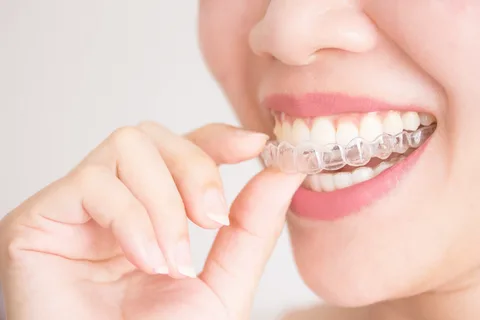
Teeth aligners are orthodontic devices designed to straighten teeth and correct various dental misalignments. Unlike traditional braces, which utilize metal brackets and wires, aligners are made of clear, flexible plastic, rendering them nearly invisible when worn. This aesthetic advantage makes them increasingly popular among adults and teens seeking effective orthodontic treatment without the visible appearance of traditional braces.
The technology behind teeth aligners stems from advanced 3D imaging and computer-aided design. During the initial consultation, dental professionals use digital scans or molds of the patient’s teeth to create a customized treatment plan. This plan outlines the sequence of movements required to achieve the desired alignment. Once the treatment plan is finalized, a series of aligners is produced, with each set designed to gradually shift the teeth into their correct positions over time.
There are several types of teeth aligners available on the market, each with unique features. Some of the most commonly known brands include Invisalign, ClearCorrect, and SmileDirectClub. Each of these options offers varying levels of monitoring and professionalism. For instance, Invisalign often requires regular check-ins with an orthodontist, while other brands may allow for more autonomy, with aligners provided via an at-home kit.
The effectiveness of teeth aligners in addressing dental issues such as overcrowding, gaps, overbite, and underbite is well-documented. Studies indicate that aligners can yield comparable outcomes to traditional braces, with many patients expressing higher satisfaction due to their comfort and the flexibility to remove them while eating or cleaning teeth. Furthermore, advancements in aligner technology continually enhance their usability and effectiveness, making them a viable option for individuals looking to achieve their smile goals.
Benefits of Using Teeth Aligners
Teeth aligners have emerged as a popular alternative to traditional orthodontic methods such as braces, offering numerous advantages that appeal to a wide range of individuals. One of the primary benefits of using teeth aligners is their aesthetic appeal. Unlike metal braces, which are often conspicuous, clear aligners are designed to be virtually invisible. This feature allows users to undergo teeth straightening treatments without feeling self-conscious about their appearance, making them particularly suitable for adults and teenagers seeking a discreet solution.
Comfort is another significant advantage of teeth aligners. Traditional braces can sometimes cause discomfort due to metal brackets and wires that may irritate the gums and cheeks. In contrast, aligners are made from smooth plastic, ensuring a more comfortable fit. This comfort enables patients to wear their aligners for the necessary duration each day without experiencing the pain associated with conventional orthodontics.
Convenience is also a key benefit of using teeth aligners. Unlike traditional methods that require regular visits to the orthodontist for adjustments, aligners can be switched out at home, typically every one to two weeks. This flexibility reduces the frequency of office visits, making it easier for individuals with busy schedules to maintain their orthodontic treatment. Another practical feature of aligners is their removability, allowing users to take them out while eating, drinking, or cleaning their teeth. This means that there are no dietary restrictions, and oral hygiene routines can remain unaffected.
Additionally, aligners often lead to shorter treatment times compared to traditional braces. Many patients can achieve their desired smile within a year, while braces may require two to three years of treatment. This time efficiency can significantly enhance the overall experience for users and increase their satisfaction with the transformation of their smile.
Potential Drawbacks and Considerations
While teeth aligners offer a modern approach to orthodontics, it is essential for individuals to weigh their potential drawbacks before making a decision. One significant consideration is their limitations in treating severe dental misalignments or complex bite issues. Traditional braces may be necessary for such advanced cases, as they provide more control over the movement of teeth. Therefore, consulting a qualified orthodontist is crucial to determine if aligners are appropriate for one’s specific situation.
Another important factor to consider is the need for consistency in wearing the aligners. For effective results, it is recommended that aligners be worn for a minimum of 20 to 22 hours each day. Patients must be diligent and disciplined in this regard; failure to comply could lead to prolonged treatment times or unsatisfactory outcomes. Unlike braces, which are fixed to the teeth, aligners can be removed, increasing the responsibility placed on patients to adhere to the prescribed wear schedule.
Additionally, discomfort is often reported during the initial adjustment periods as teeth begin to shift. This discomfort, while typically mild and temporary, can deter some individuals from continuing their treatment. Such side effects may manifest in the form of soreness or pressure on specific teeth, which usually subsides as the aligners are adjusted over time.
From a financial perspective, it is also important to analyze the cost implications. Teeth aligners generally come with a premium price tag compared to traditional braces, which can be a barrier for many. Insurance coverage varies significantly between plans, and potential users should investigate their coverage details to avoid unexpected expenses. Weighing the long-term benefits against the upfront costs is essential when deciding on aligners for achieving one’s smile goals.
Making an Informed Decision
Deciding whether to pursue teeth aligners as a solution for your smile goals requires careful consideration of various factors. It is critical to consult with a qualified dental professional who can provide tailored advice based on your specific dental condition. These consultations allow for a comprehensive evaluation of your dental health, including any potential complications that may arise during the treatment. Professionals can help you understand the effectiveness of aligners for your unique case while discussing the benefits and limitations associated with their use.
In addition to professional guidance, assessing your personal lifestyle will also play a significant role in this decision-making process. Teeth aligners require a commitment to wearing them as directed, typically for 20 to 22 hours a day. If your daily routine or habits make it challenging to adhere to this schedule, you may need to reevaluate the feasibility of this treatment. Consider scenarios such as social events, meals, and your ability to maintain consistent oral hygiene practices, all of which can impact your success with aligners.
Understanding realistic outcomes is equally important. While many individuals experience significant improvements, results can vary based on the complexity of the case and adherence to the treatment plan. Setting clear, achievable smile goals can help align your expectations with what aligners can realistically achieve. To further illustrate the effectiveness of this treatment, many successful testimonials and case studies exist, showcasing individuals who have transformed their smiles with aligner treatment. These personal experiences may help you visualize the potential positive outcomes and serve as valuable motivation in your journey towards your ideal smile.