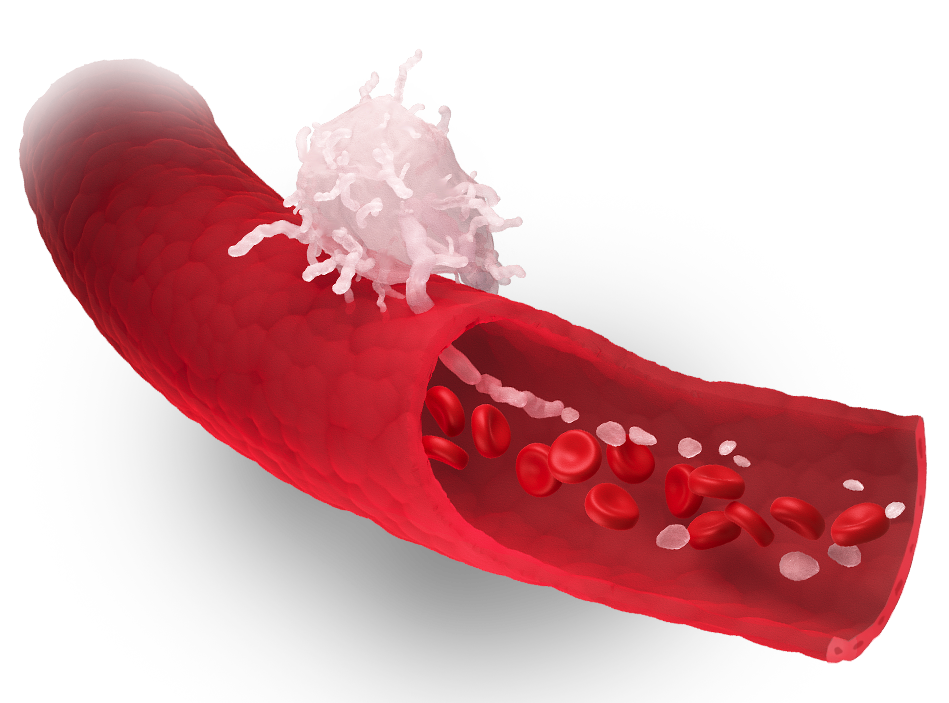
What is Thrombocytopenia?
Thrombocytopenia is a medical condition characterized by an abnormally low number of platelets in the blood. Platelets, or thrombocytes, are small, disc-shaped cell fragments essential for normal blood clotting and wound healing. A healthy platelet count generally ranges from 150,000 to 450,000 platelets per microliter of blood. When this count falls below 150,000, it can lead to complications such as excessive bleeding and bruising. Understanding thrombocytopenia involves exploring its causes, types, and the physiological roles of platelets.
Thrombocytopenia can arise from several underlying factors, including bone marrow disorders, increased destruction of platelets, or sequestration in the spleen. Common causes include autoimmune conditions, infectious diseases, hematologic disorders, and certain medications that may reduce platelet production. Furthermore, lifestyle factors such as alcohol consumption can also play a role in diminished platelet levels. Each underlying cause can be further classified into various types of thrombocytopenia, including primary and secondary thrombocytopenia. Primary thrombocytopenia often results from direct platelet destruction or insufficient production in the bone marrow, while secondary thrombocytopenia is typically associated with other medical conditions or external factors that impair platelet production.
The physiological role of platelets in hemostasis cannot be overstated. Upon vascular injury, platelets are activated and aggregate at the injury site, forming a temporary plug that minimizes bleeding while the clotting cascade is activated to create a stable fibrin clot. Additionally, the significance of monitoring platelet counts lies in their correlation with a patient’s overall health status and potential risks. Platelet counts are measured through a complete blood count (CBC), a common laboratory test that provides valuable information regarding the number of platelets and potential underlying conditions that may require medical intervention.
Recognizing the Symptoms of Thrombocytopenia
Thrombocytopenia, characterized by a lower-than-normal platelet count, manifests a variety of symptoms that can significantly impact an individual’s quality of life. One of the most common signs is easy bruising, which occurs even with minimal trauma. A person with thrombocytopenia might find that small bumps or even routine activities can lead to noticeable bruises developing on their skin. This occurs due to the decreased ability of blood to clot effectively, a crucial function of platelets.
Prolonged bleeding from cuts is another symptom that individuals with thrombocytopenia may experience. Even minor injuries can lead to excessive blood loss that lingers beyond the expected duration for normal healing. This symptom is often alarming as it may not correlate with the severity of the injury, prompting concerns about underlying health issues.
Spontaneous bleeding is also a hallmark of thrombocytopenia and can manifest in various forms such as frequent nosebleeds or abnormal gum bleeding. These occurrences typically develop without an apparent reason, alerting individuals to the need for further investigation. Additionally, the presence of petechiae—small red or purple spots on the skin—serves as a significant indicator of thrombocytopenia. These spots arise from bleeding underneath the skin and can be widespread, often appearing on the extremities or trunk.
While these symptoms can vary in severity from person to person, it is imperative to recognize possible complications associated with thrombocytopenia. Such complications include an increased risk of severe bleeding, which can be life-threatening if not addressed promptly. Therefore, individuals experiencing these symptoms should seek medical attention as early detection is crucial for effective management and treatment of thrombocytopenia.
Managing Thrombocytopenia: Treatment Options
Thrombocytopenia, characterized by abnormally low platelet counts, necessitates a multifaceted approach to management that incorporates both lifestyle modifications and medical interventions. The treatment strategy often depends on the underlying cause, severity of the condition, and individual patient circumstances.
Initially, lifestyle modifications can play a vital role in controlling symptoms. A well-balanced diet that includes foods rich in vitamin K, iron, and folate may help improve platelet production. Leafy greens, legumes, fish, and nuts are excellent dietary choices that should be integrated into one’s daily regimen. Additionally, moderate exercise can promote overall health and enhance the body’s ability to function optimally. However, individuals with thrombocytopenia should consult with their healthcare provider before initiating any exercise program, as certain activities may increase the risk of bruising or bleeding.
Medical interventions often become necessary, particularly in cases where the thrombocytopenia is severe or symptomatic. Corticosteroids are frequently utilized to suppress the immune system’s attack on platelets, making them a widely accepted treatment option. In situations where platelet counts drop dangerously low, platelet transfusions may be required to prevent bleeding complications. It is also crucial to address any underlying conditions contributing to the disorder. For instance, treating infections or managing autoimmune diseases can result in an improved platelet count and overall health.
Regular monitoring and follow-up care are essential components in the management of thrombocytopenia. Patients should undergo routine blood tests to track platelet levels and ensure that any treatment plans are effective. Close collaboration with healthcare professionals helps in promptly addressing any changes in condition, thereby minimizing the risk of complications. Effective management strategies can significantly improve a patient’s quality of life while controlling the symptoms of thrombocytopenia.
Living with Thrombocytopenia: Tips and Support
Managing life with thrombocytopenia can be challenging, but there are several strategies that individuals can adopt to navigate daily challenges effectively. Firstly, it is essential to prioritize safety to avoid injuries that could lead to bleeding episodes. People diagnosed with thrombocytopenia should take measures to reduce the risk of falls, such as wearing appropriate footwear, removing tripping hazards from the home, and using handrails in stairways. Also, engaging in low-impact activities, like walking or swimming, can help maintain fitness without excessive strain.
For those with thrombocytopenia, being prepared for potential bleeding episodes is crucial. It is advisable to carry medical identification that clearly states your condition and any allergies to medications. Furthermore, maintaining a basic first-aid kit at home can assist in managing minor injuries. This kit should include items such as sterile gauze, adhesive bandages, and antiseptic wipes, allowing for prompt care if needed. Individuals should also learn to recognize the signs of serious bleeding and understand when to seek medical attention, ensuring they are always alert to their health condition.
Establishing an open line of communication with healthcare providers is vital for effective management of thrombocytopenia. Regular check-ups and consultations enable individuals to monitor their platelet levels and address any concerns promptly. Healthcare professionals can also offer tailored advice on medications, lifestyle adjustments, and dietary choices that can positively impact platelet counts.
Additionally, individuals may find value in connecting with support groups or online communities dedicated to those living with thrombocytopenia. These platforms can provide emotional support, educational resources, and shared experiences, helping individuals to feel less isolated in their journey. By engaging with others facing similar challenges, people with thrombocytopenia can gain insights that may enhance their quality of life and overall well-being.