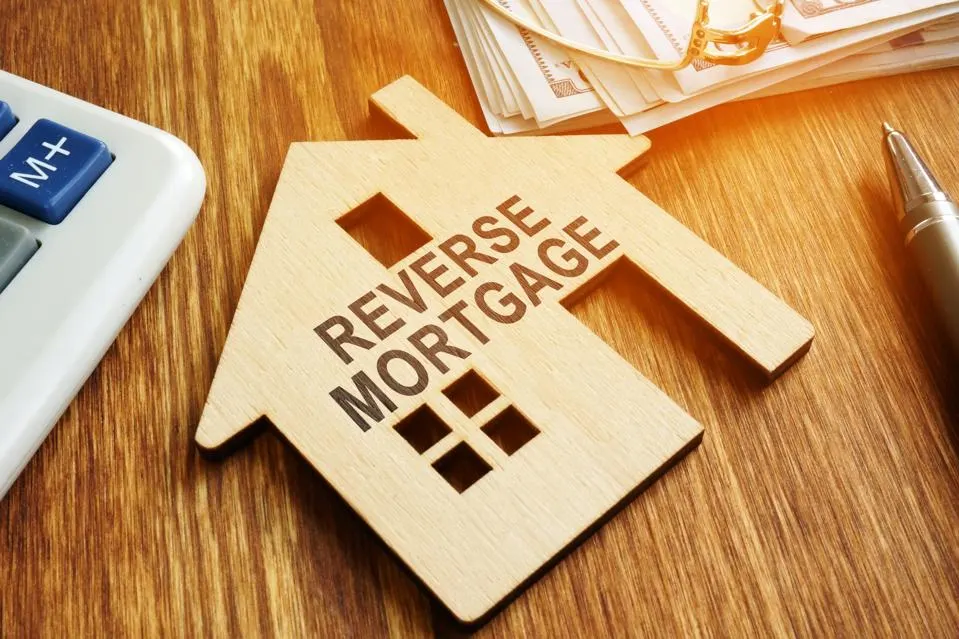
Understanding Reverse Mortgages
A reverse mortgage is a financial product designed to allow homeowners, particularly seniors, to access the equity in their homes without the requirement to sell their properties or make monthly mortgage payments. Unlike a traditional mortgage, where the borrower receives a loan and subsequently makes monthly payments to the lender, a reverse mortgage operates in the opposite manner. Homeowners are provided with funds that can be received as a lump sum, monthly payments, or a line of credit, based on the value of their home. The principal and interest are repaid only when the homeowner sells the home, moves out, or passes away.
Eligibility for a reverse mortgage generally requires that the homeowner is at least 62 years old, maintains the home as their primary residence, and has sufficient equity built up in the property. Additionally, the applicant must be able to demonstrate their financial ability to cover ongoing costs, such as property taxes, homeowner’s insurance, and maintenance expenses, as failing to do so could jeopardize the reverse mortgage arrangement. Therefore, lenders typically require borrowers to undergo a financial assessment to evaluate their capacity to manage these responsibilities.
There are several types of reverse mortgages available to homeowners. The most common is the Home Equity Conversion Mortgage (HECM), which is federally insured and regulated. Other types include proprietary reverse mortgages, which are offered by private lenders, and single-purpose reverse mortgages, which are usually limited to specific needs outlined by the lender, such as home repairs or property taxes. Understanding these options is crucial, as each type has distinct features, costs, and eligibility requirements that can significantly impact the borrower’s decision.
Benefits of Reverse Mortgages
Reverse mortgages offer several key advantages for seniors, providing them with a viable financial strategy to enhance their quality of life during retirement. One of the primary benefits is that they create a new source of income, giving older homeowners the flexibility to use their home equity as funds to support various expenses. This income can be crucial in managing day-to-day living costs, healthcare expenses, or even unexpected bills that may arise as one ages.
Moreover, the cash flow generated through reverse mortgages can significantly improve financial stability. Seniors can choose to receive payments in various forms including lump sums, monthly installments, or through a line of credit, allowing them to tailor the arrangement to their specific needs. This flexibility can be particularly beneficial for individuals facing fluctuating income or unforeseen costs related to retirement living, making it easier to maintain their standard of living.
Another noteworthy advantage is that reverse mortgages can promote the ability to age in place. By accessing home equity, seniors can finance modifications to their homes, such as installing grab bars or ramps, which can enhance mobility and safety. Furthermore, these mortgages do not affect Social Security or Medicare benefits, which means that seniors can receive these government programs without any reduction resulting from additional income derived from their reverse mortgage. Thus, individuals can enjoy both their benefits and the financial security that comes with this form of loan.
In summary, reverse mortgages deliver numerous benefits that can empower seniors financially. By unlocking the potential of their home equity, older adults can experience greater financial freedom, heightened cash flow, and the necessary support to cover healthcare and living expenses, all while preserving their eligibility for vital government assistance programs.
Risks and Considerations
Understanding the potential risks and considerations of reverse mortgages is crucial for any homeowner contemplating this financial option. One significant concern is the impact on heirs’ ability to inherit the home. In most cases, when a borrower passes away, the reverse mortgage becomes due. Heirs are then faced with the decision to repay that mortgage—usually through either refinancing or selling the home. Should they choose not to repay, they may lose their inherited property, which can be a substantial emotional and financial burden for families.
Another critical factor to consider is the possibility of accruing debt that exceeds the home’s current value. As homeowners receive payments through a reverse mortgage, interest compounds over time, potentially leading to a situation where the debt surpasses the market value of the home. This reality is particularly concerning in fluctuating real estate markets, where property values can decline. It is worth noting that reverse mortgages are generally non-recourse loans, meaning that borrowers or their heirs will not owe more than the home’s value at the time of repayment. However, this condition does not alleviate the initial financial stress associated with accrued debt.
Additionally, fees and costs associated with reverse mortgages can be significant. Homeowners must consider closing costs, servicing fees, and insurance premiums as part of the overall expense of this product. These costs can diminish the equity in the home more rapidly than anticipated. Moreover, borrowers must meet specific obligations to remain in their homes under a reverse mortgage, such as paying property taxes, homeowner’s insurance, and maintaining the property. Failure to adhere to these requirements can result in foreclosure, which adds a layer of financial risk for retirees relying on this funding source for their livelihood.
Making a Decision: Is a Reverse Mortgage Right for You?
Deciding whether a reverse mortgage aligns with your financial goals and personal needs involves careful evaluation of various factors. Initially, it’s crucial to assess your current financial situation, including your income sources, debts, and expenses. Reverse mortgages are particularly designed for seniors, allowing homeowners aged 62 and above to convert a portion of their home equity into cash without having to sell their residence. This can be particularly beneficial if you are looking to supplement your retirement income or manage unexpected expenses.
Another essential factor to consider is the condition of your home. The home’s value plays a significant role in determining the amount you can borrow through a reverse mortgage. If your home is in good condition and located in a desirable area, you may be able to access a higher loan amount. On the other hand, if your home has considerable repair needs, this may influence both the loan amount and your decision regarding entering into a reverse mortgage agreement.
Planning for the future is also a critical component in your decision-making process. Reflect on how long you plan to stay in your current home; if you anticipate moving in the near future, a reverse mortgage may not be the best choice for you. Understand how a reverse mortgage fits into your overall retirement strategy, particularly regarding your long-term financial goals. You might want to consider questions such as: Will the income from a reverse mortgage be sufficient to cover your living expenses? How will this decision affect your heirs and their inheritance?
Lastly, it is wise to consult a financial advisor or a certified reverse mortgage counselor who can provide personalized guidance tailored to your individual situation. These professionals can help clarify your options, ensuring you make a well-informed decision that aligns with your financial aspirations.